From American Revolution to Manchester Rescue
Mauricio Pochettino leaves the U.S. men’s national team with a legacy of progress—and takes on one of the biggest challenges in world soccer
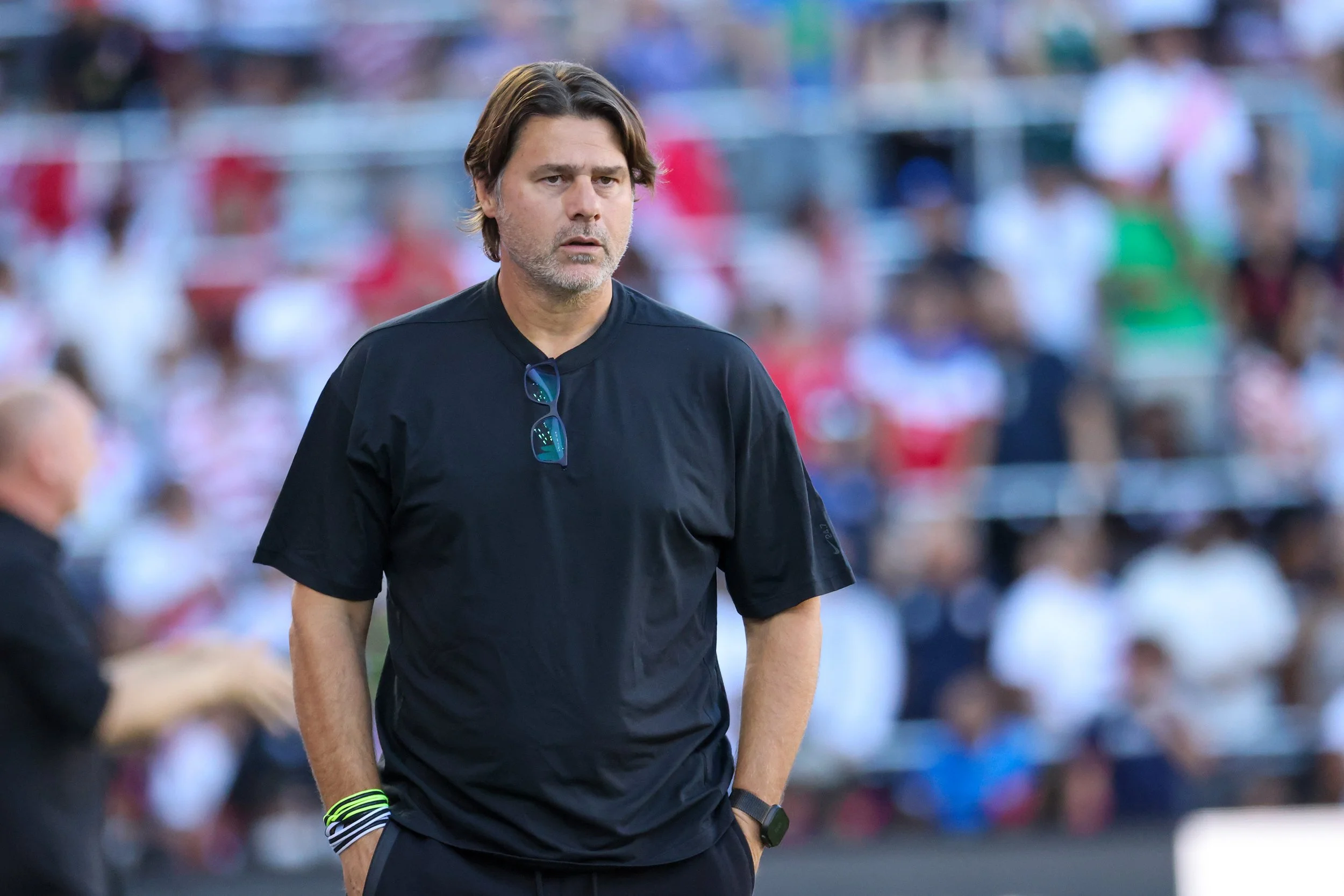
For Mauricio Pochettino, the goodbye to the United States was emotional.
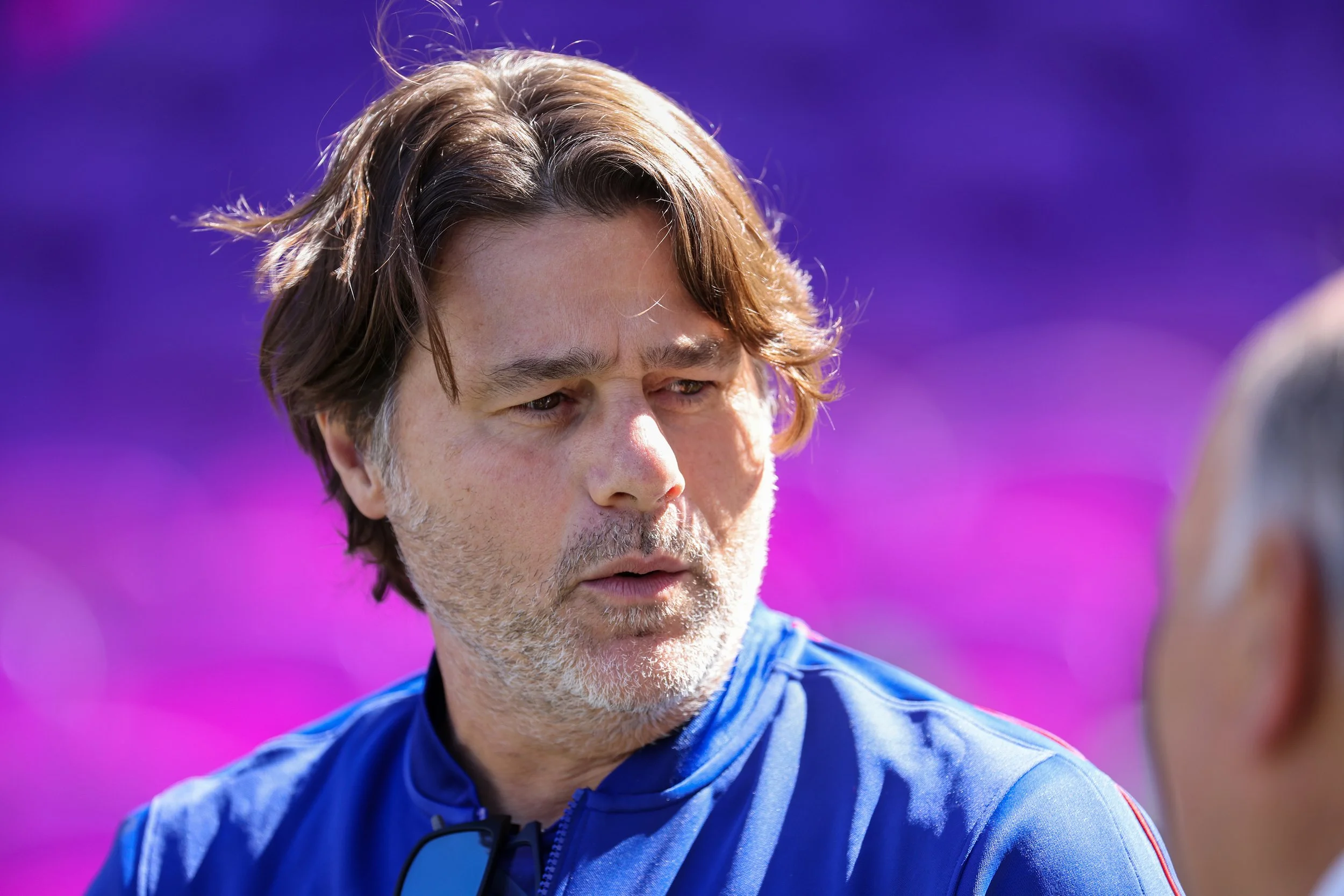
Just two years after arriving as one of the most high-profile coaches ever hired by the U.S. men’s national team, the Argentine is leaving the American program behind and returning to the place where his coaching reputation was built.
Only this time, he is not going to London.
He is going to Manchester.
Pochettino has left the USMNT to become the new manager of Manchester United, one of the most recognizable and demanding clubs in world soccer. His departure comes only months after leading the United States through a historic home World Cup and only weeks after signing a contract extension that was supposed to keep him with U.S. Soccer through 2030.
It is a stunning change of direction—but also a reflection of how highly Pochettino's work in America was regarded.
A successful American experiment
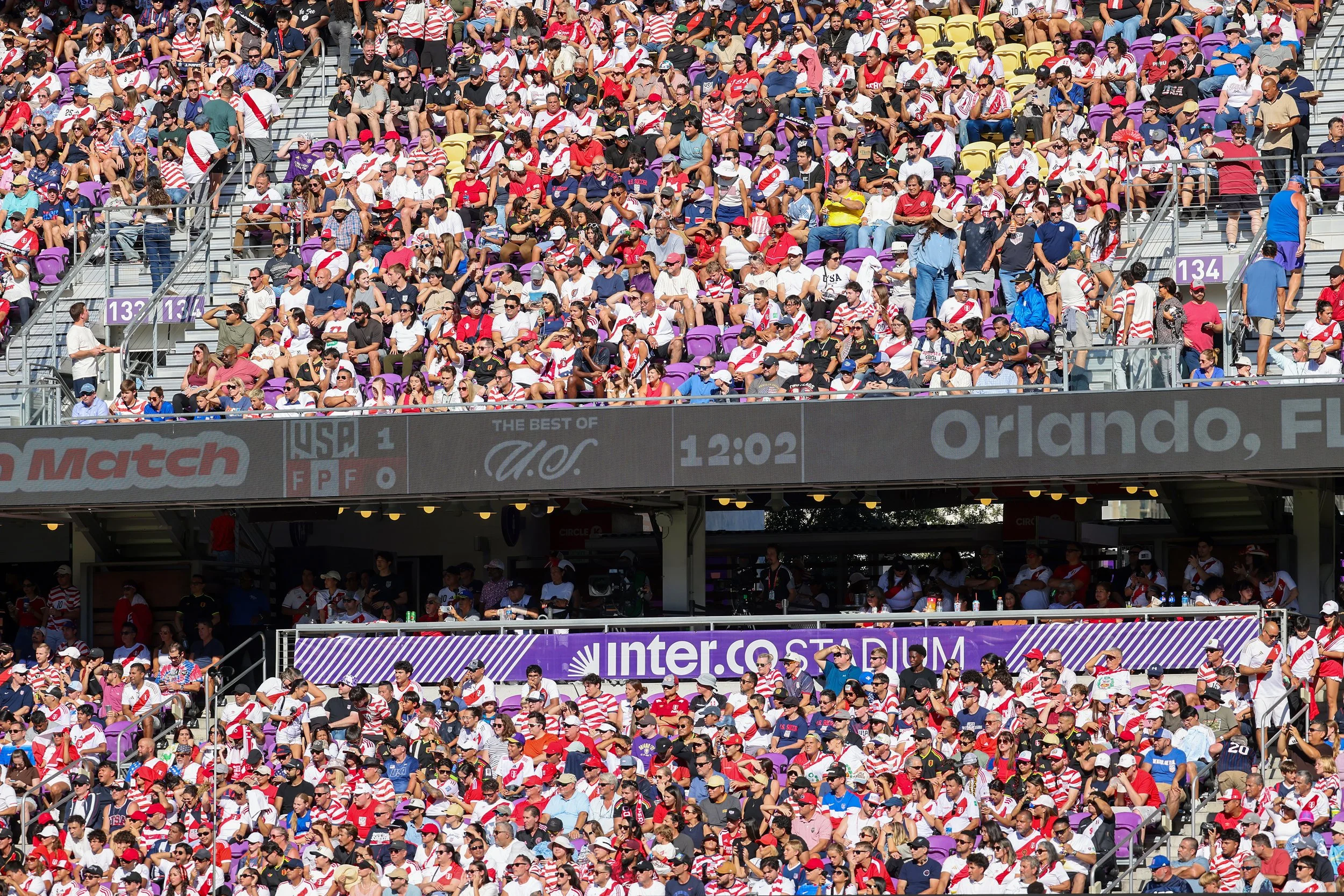
When Pochettino took over the USMNT in September 2024, expectations were enormous.
The United States was preparing to host the 2026 World Cup, and the federation wanted a coach capable of taking a talented but sometimes inconsistent generation of American players to another level.
Pochettino did not win a major trophy during his time in charge, but judging his tenure strictly by trophies would miss much of what changed around the team.
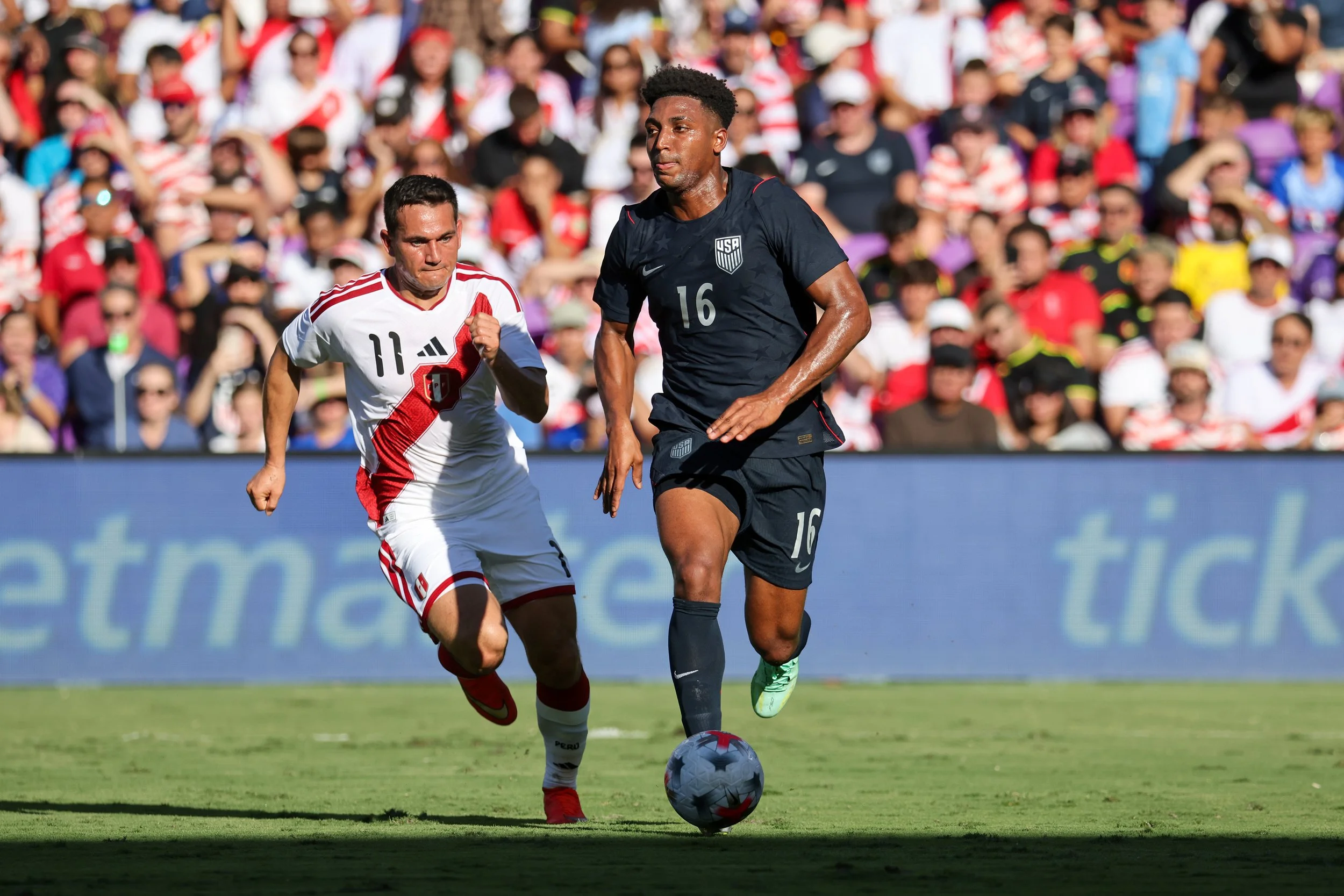
He finished with a 21-12-2 record in 35 matches and guided the United States to the 2025 Concacaf Gold Cup final. More importantly, he led the Americans to the Round of 16 at the 2026 World Cup, where the team won its group and recorded its first World Cup knockout victory since 2002. His three World Cup victories were the most ever by a USMNT head coach in a single tournament.
For a program that has spent years talking about reaching the next level, those accomplishments mattered.
But perhaps Pochettino's greatest contribution was cultural.
He demanded more from established players, gave young players opportunities and created greater competition throughout the roster. During his tenure, 75 players earned at least one cap, while the final stages of his tenure saw a wave of teenagers and young professionals enter the senior team.
That may ultimately be his most important legacy.
Pochettino didn't simply coach a group of players. He helped convince them that the United States could play aggressively, confidently and without fear against the world's best teams.
The Americans began to look less like a team hoping to compete and more like one expecting to compete.
The World Cup changed the perception
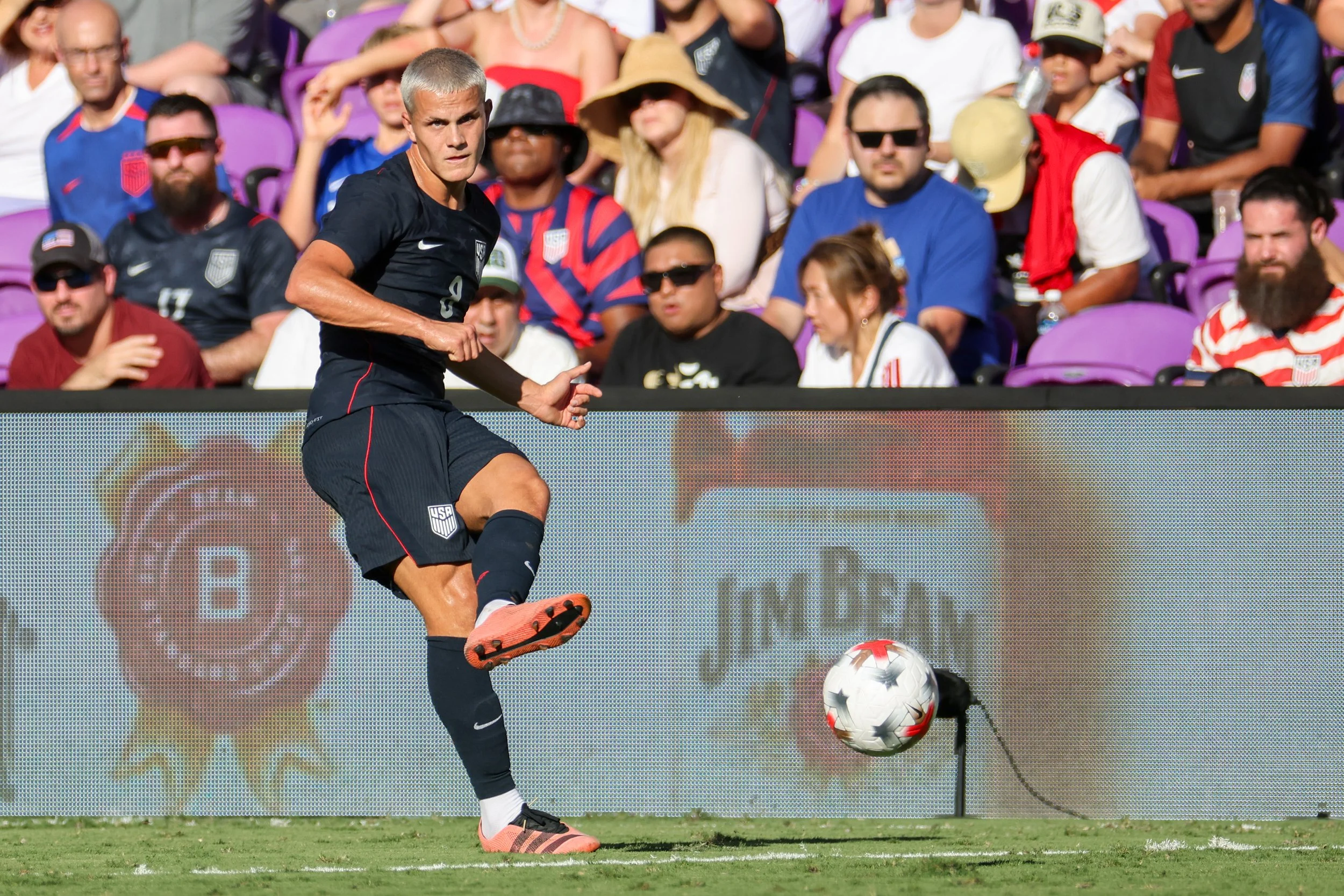
The 2026 World Cup provided Pochettino with his greatest stage—and, for long stretches, his best evidence that his approach was working.
The United States won its group and then defeated Bosnia and Herzegovina in the knockout stage, the program's first World Cup knockout victory since 2002.
The Americans played an attacking style and scored in all five of their matches, scoring at least twice in four of them.
Eventually, the tournament ended in the Round of 16, meaning Pochettino did not deliver the deep World Cup run some supporters had imagined.
But the larger picture was encouraging.
The United States looked capable of playing modern, technically sophisticated soccer. Young players were being trusted with major responsibilities. And perhaps most importantly, the players appeared to believe in themselves.
That belief became part of Pochettino's American legacy.
And then came Manchester United
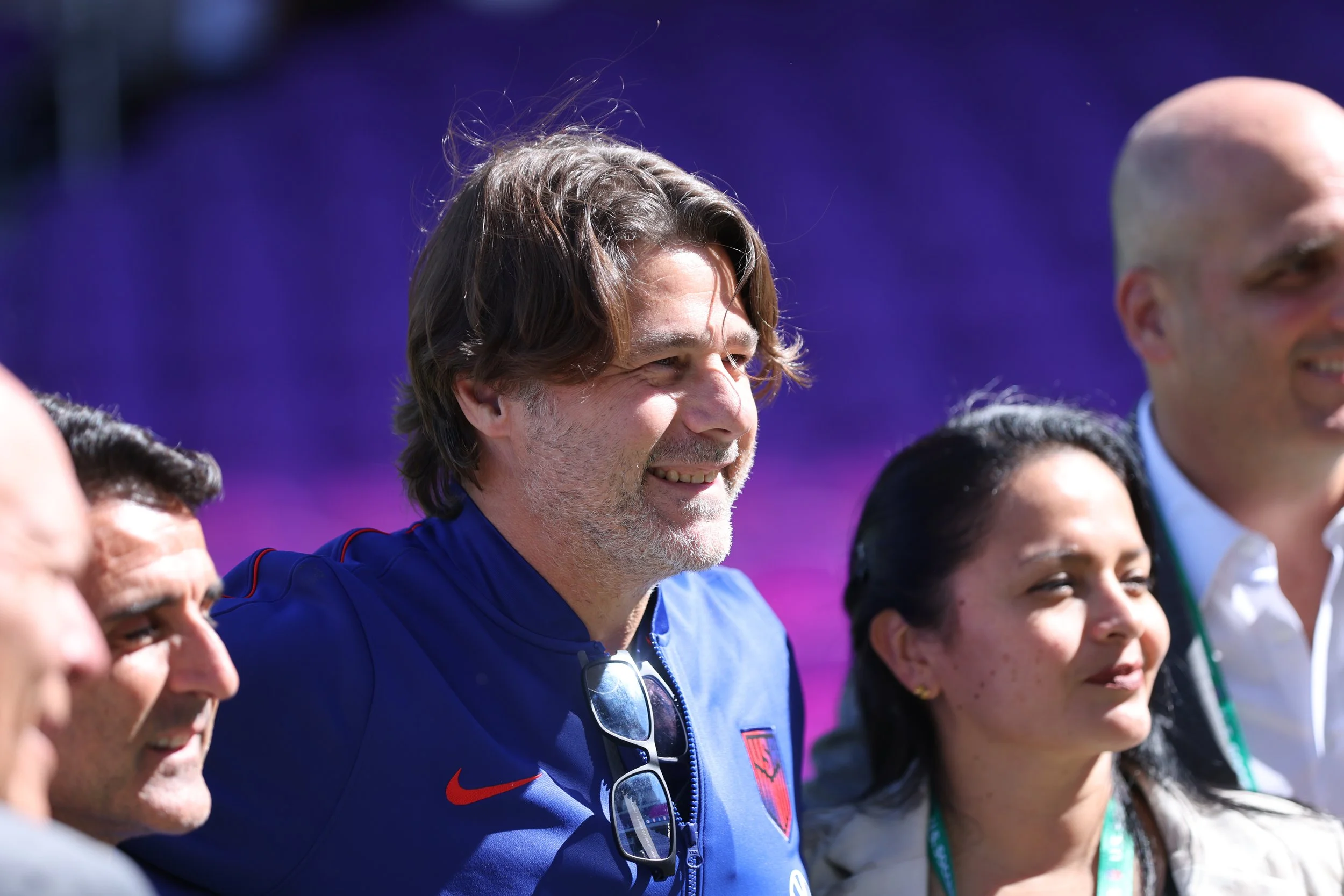
The irony is impossible to ignore.
In August, U.S. Soccer announced that Pochettino had agreed to remain with the federation through 2030. The plan was for him to help build not only the senior national team but also the broader American soccer structure, including youth development, coaching education and the pathway toward future national teams.
Instead, the Premier League came calling.
Manchester United dismissed Michael Carrick after a disastrous start to the season, with the club sitting in the relegation zone after its worst beginning to a Premier League campaign in 40 years. Pochettino became the eighth permanent United manager since Sir Alex Ferguson retired in 2013.
That is a remarkable amount of turnover for one of the world's most famous clubs.
And it explains why Pochettino's new job is considerably different from the one he just left.
With the United States, Pochettino was building.
At Manchester United, he is rebuilding.
The expectations will be enormous
There will be no honeymoon at Old Trafford.
Pochettino arrives at a club that expects to challenge for trophies, qualify for Europe and compete with Manchester City, Liverpool, Arsenal and Chelsea.
Instead, United currently find themselves fighting simply to stabilize the season.
His first match comes almost immediately—and against Liverpool at Anfield.
It is about as difficult a beginning as a manager could imagine.
Pochettino has had only a handful of training sessions with his new players, meaning supporters cannot reasonably expect him to transform the club overnight. Reuters reports that his immediate priorities include tightening the defense, improving fitness and understanding the squad and club culture.
But patience has not exactly been a Manchester United tradition in recent years.
The club has gone through manager after manager since Ferguson's retirement. Carrick lasted less than six months in his most recent permanent spell, while Ruben Amorim lasted only 14 months before him.
Pochettino therefore faces a strange contradiction.
He needs time.
Manchester United desperately wants results now.
Why Pochettino could be the right man
There is a reason United pursued him.
Pochettino already understands the Premier League.
He built his reputation at Southampton before transforming Tottenham into a Champions League contender and reaching the 2019 Champions League final. He later managed Paris Saint-Germain and Chelsea before taking over the United States.
He understands the English game, the pressure of the Premier League and what it means to manage players under constant media scrutiny.
Perhaps more importantly, he has a history of improving teams.
That was evident with the USMNT.
It was evident at Tottenham.
And it will now be tested at Manchester United.
The challenge is that United is not simply another rebuilding project. It is a global sporting institution where every defeat becomes a headline and every transfer becomes a referendum on the manager.
Pochettino will have to improve the team while simultaneously rebuilding confidence inside a club that has spent more than a decade searching for its identity.
The American connection
One fascinating subplot could involve the players Pochettino helped develop with the United States.
He knows the American player pool intimately, and his willingness to trust young players was one of the defining characteristics of his USMNT tenure.
That could eventually create an unusual bridge between Manchester and the United States.
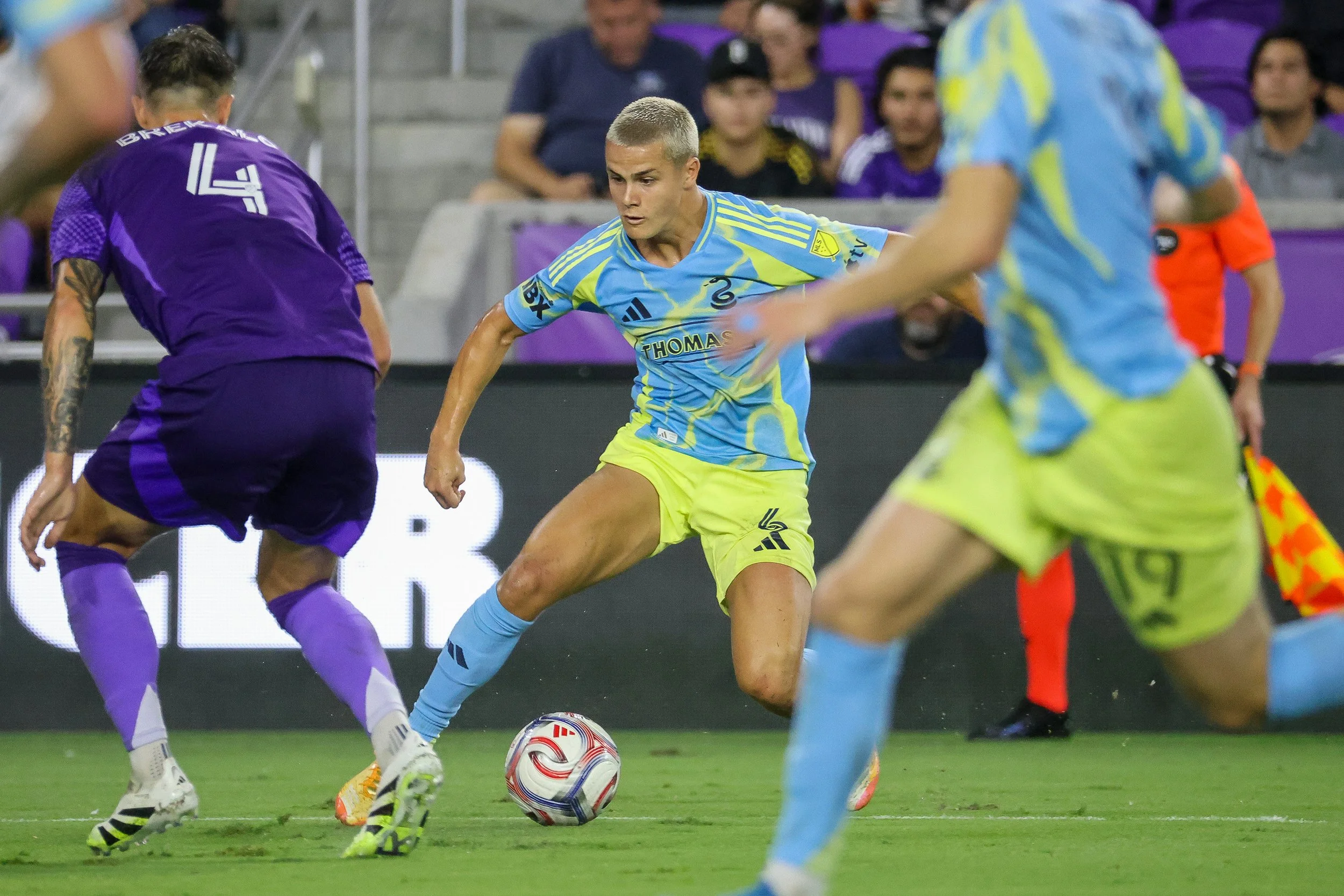
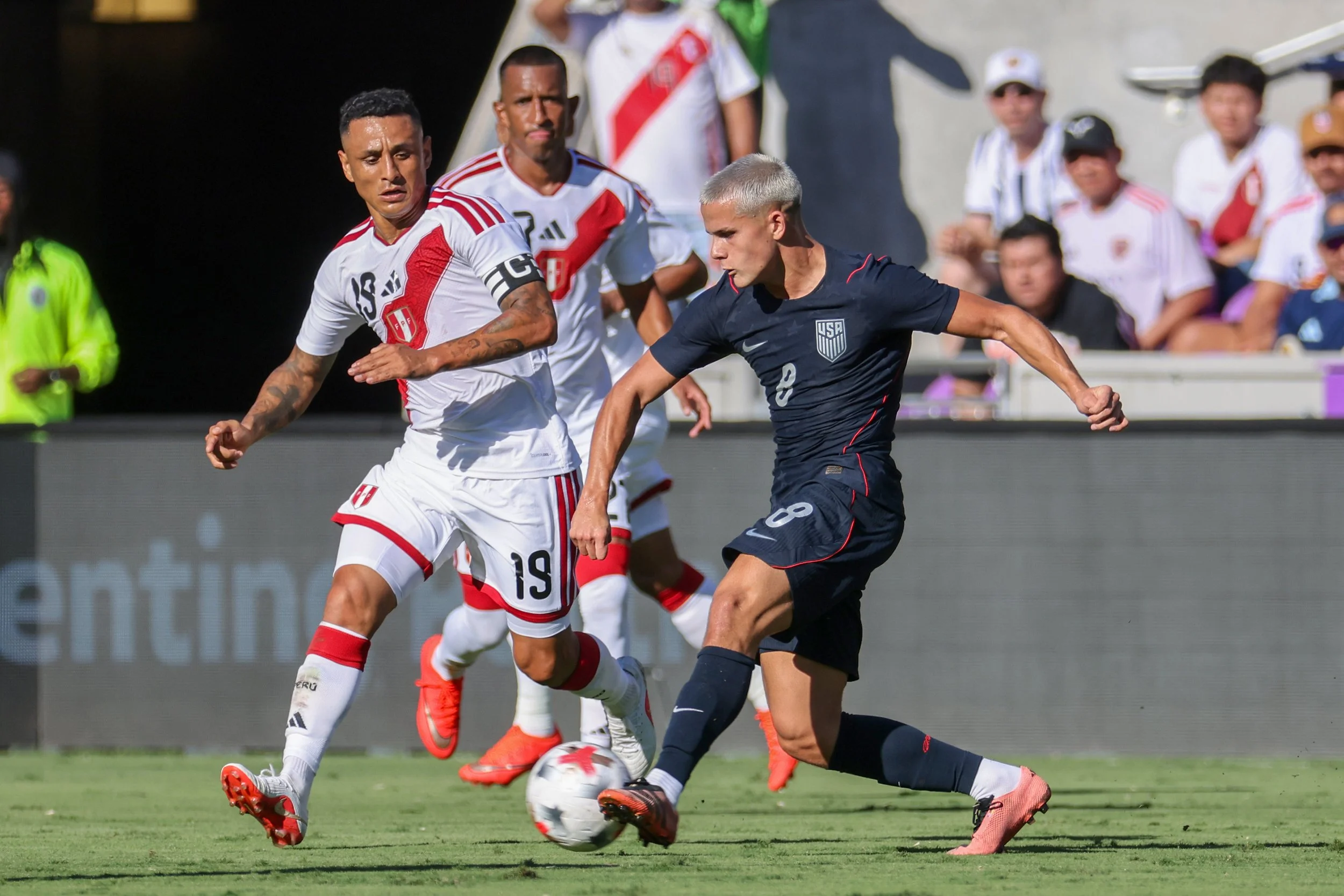
Pochettino has already shown that he believes in American talent. Players such as Alex Freeman were given significant opportunities under him, and the manager's knowledge of the American player pool could influence future recruitment at United.
The United States may have lost its coach, but it gained something else: a manager who leaves the program having demonstrated to the soccer world that American players can thrive under an elite European coach.
A bittersweet ending
There is a legitimate argument that Pochettino's American tenure could have been even more successful had he stayed.
After all, he had just signed an extension through 2030.
The 2026 World Cup was only the beginning of what U.S. Soccer envisioned as a longer project.
Instead, Pochettino is walking away at a moment when the program appears to be gaining momentum.
That makes his departure bittersweet.
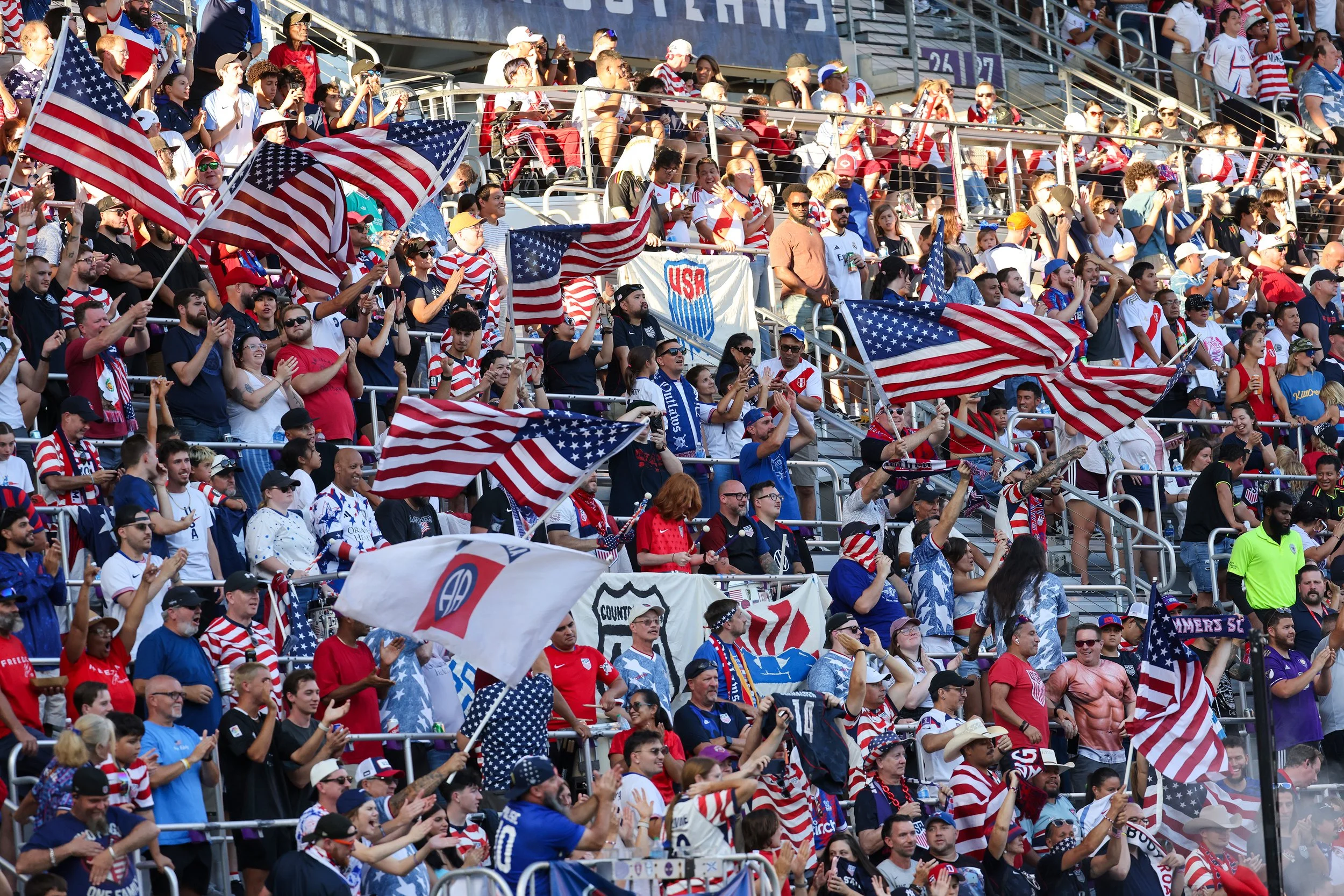
For U.S. Soccer, the question now becomes whether the culture and standards Pochettino established are strong enough to survive his absence.
For Pochettino, the question is much more immediate.
Can he do what a long list of managers have failed to accomplish since Ferguson retired?
Can he bring Manchester United back?
The answer will not come quickly.
But the expectations will.
Pochettino leaves America with a reputation enhanced by two years of meaningful progress. He takes that reputation to Manchester, where progress will no longer be enough.
At United, he will be judged by victories, trophies and league position.
The American experiment gave him the opportunity to build belief.
Manchester United will demand that he turn that belief into results.
And that may be the most difficult—and potentially most rewarding—chapter of Mauricio Pochettino's career.