
From the Classroom to the Pitch: SIMA Joins the United Premier Soccer League
Montverde, Florida — For more than a decade, the Soccer Institute at Montverde Academy has built a reputation as one of the country's most productive pipelines for college soccer talent, sending dozens of players to NCAA programs and a handful into the professional ranks. This fall, SIMA is opening a new chapter: fielding a club in the United Premier Soccer League (UPSL), one of the largest amateur and pro-development soccer leagues in North America.
A Program Built for the Next Level

Founded in 2013, SIMA was created to give day and boarding students at Montverde Academy a structured environment to chase elite soccer while keeping academics front and center. The numbers back up that dual mission — SIMA student-athletes carry an average GPA above 3.5, and alumni have gone on to play in LaLiga, MLS, and USL, as well as in leagues around the world.
This isn't SIMA's first venture into senior-level competition. Back in 2017, the program launched a franchise called SIMA Águilas in the Premier Development League (PDL), giving graduating players and alumni a place to keep sharpening their game in the summer before college. That team competed through 2018 before folding. Nearly a decade later, SIMA is returning to that model — this time inside the UPSL, with a club competing directly under the Montverde Academy name in the league's Florida Central conference.
The announcement was shared by SIMA over the summer, with the program telling supporters it was excited to compete in the United Premier Soccer League beginning with the new season — a natural extension of a pathway that already runs from the practice fields of Montverde to campuses and pro rosters across the globe.
What Is the UPSL?
The United Premier Soccer League was founded in 2011 in Santa Ana, California, starting with just ten teams. Fifteen years later, it has grown into a sprawling national — and increasingly international — competition, with more than 900 clubs spread across roughly 40 regional divisions in all 50 states, plus expansion into Canada and Mexico.
The league operates as a National Affiliate member of the U.S. Soccer Federation and sits within the broader U.S. Soccer league system. In its own words on social media, the UPSL identifies itself as the country's "4th Division" of organized soccer — a tier below MLS, USL Championship, and USL League One, but one that plays a serious role in player development, exposure, and the pathway toward the professional and collegiate game. Clubs that reach the top of the UPSL pyramid are also eligible for the U.S. Open Cup, the country's oldest ongoing soccer competition, giving grassroots teams a shot at sharing a bracket with MLS clubs.
Two seasons are contested each year — a spring season and a fall season — with regional conference play culminating in a national playoff bracket and a single champion crowned each cycle.
How the Tiers Work
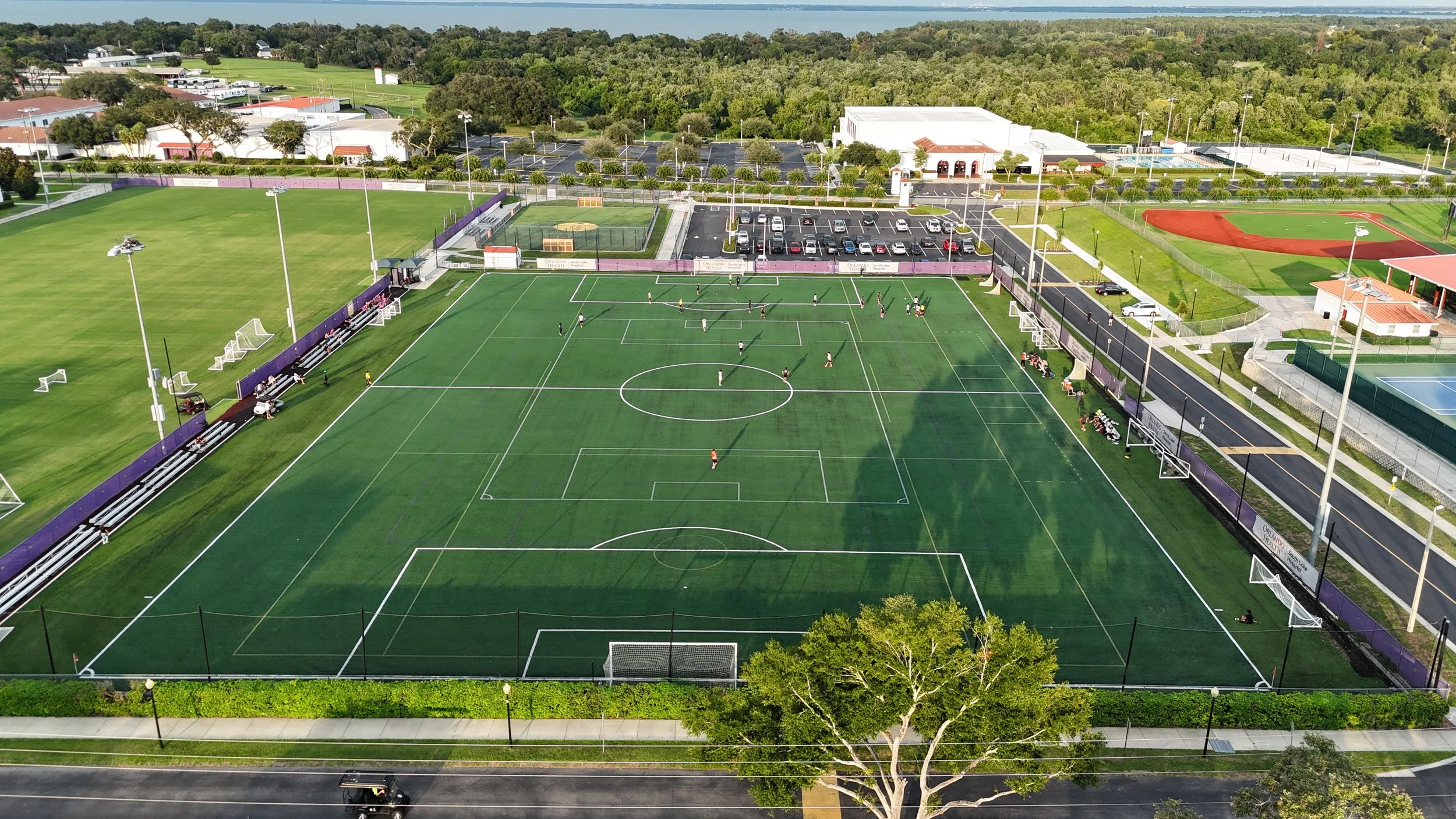
Unlike a simple single-division amateur league, the UPSL is structured with multiple tiers and its own internal promotion-and-relegation system:
Premier Division — The top tier of the league and the only level from which clubs can qualify for the UPSL's national championship. This is where the strongest, most established clubs compete, organized into regional conferences (Florida Central, SoCal North, Ohio/Indy, and dozens of others) before advancing to playoffs and, eventually, the national finals.
Division 1 — A step below Premier, serving as both a competitive tier in its own right and a pathway upward. Clubs can be promoted into the Premier Division based on performance.
Division 2 — The entry tier for many newer or developing clubs, feeding talent and successful teams up into Division 1.
Academy Division — A separate track built specifically around youth and academy-level teams, allowing academies like SIMA's younger age groups to compete in a structure suited to player development rather than senior semi-pro competition.
Women's Division — A parallel competitive structure for women's clubs, following the same conference-and-playoff model as the men's side.
Within this system, promotion runs upward from Division 2 into Division 1 and from Division 1 into Premier, while relegation can send underperforming Premier and Division 1 clubs back down a level in some regions — giving the league a genuine tiered, competitive ladder rather than a flat structure.
Montverde Academy's new club has entered play in the Premier Division, in the Florida Central conference, putting it in direct competition with established Florida clubs from its very first season.
Why It Matters for SIMA
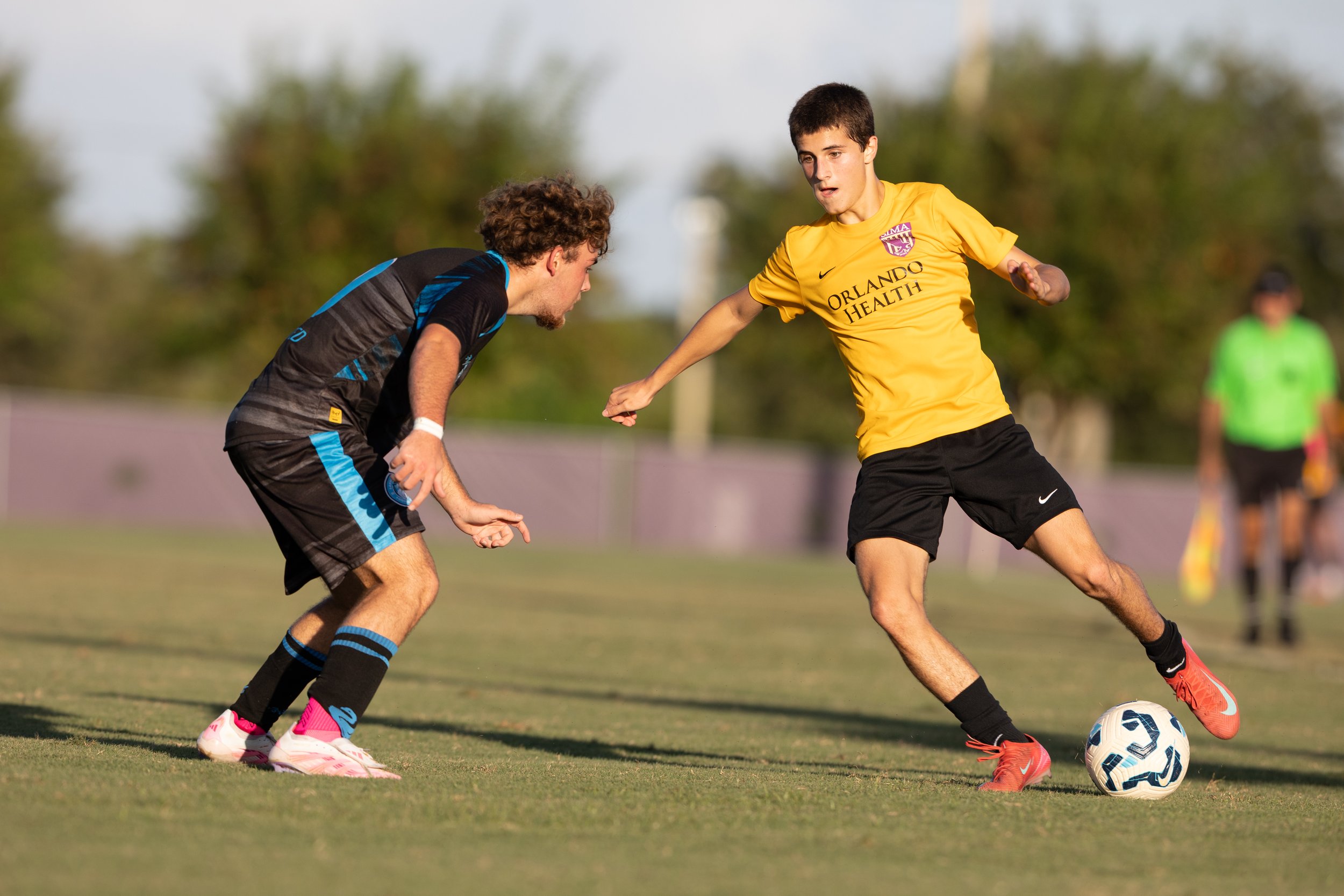
Joining the UPSL's top tier gives SIMA's most advanced players — many of them in their final years of high school or immediately after graduation — a chance to test themselves against adult and semi-pro opposition in a league that has already produced pro signings and Open Cup qualifiers. It also mirrors a broader trend across American soccer: elite academies increasingly see semi-pro league affiliation, not just showcase tournaments, as the bridge between the classroom and a professional career.
For a program built on the promise of developing "talented soccer players and shaping well-rounded individuals," a seat in one of the country's largest development leagues is less a departure from SIMA's mission than another rung on the ladder it has been building since 2013.
All Images captured by Kimberly Braden

All Photos Kimberly Braden