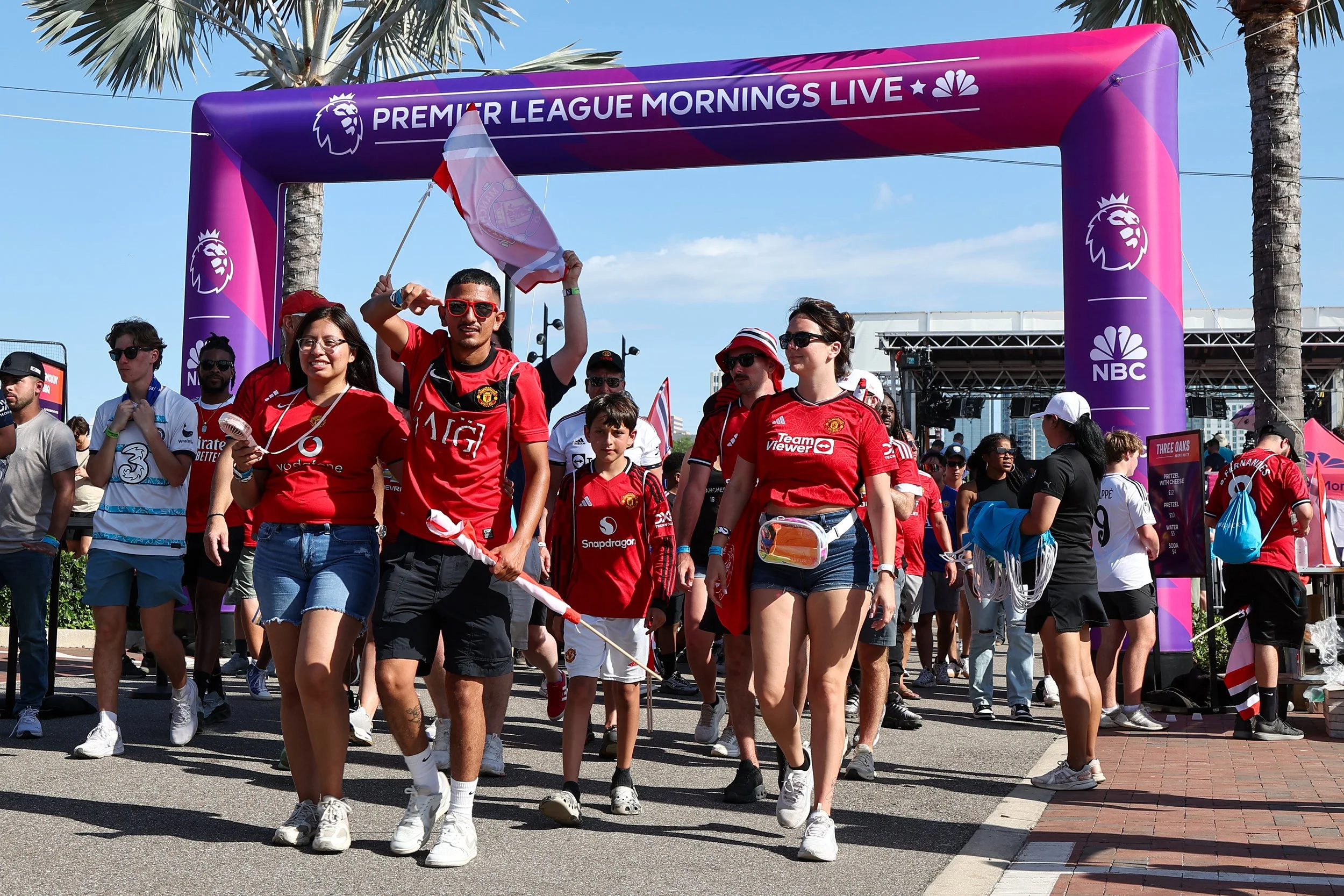
Sunshine State, Saturday Morning Kickoff: How Florida Fell for the Premier League
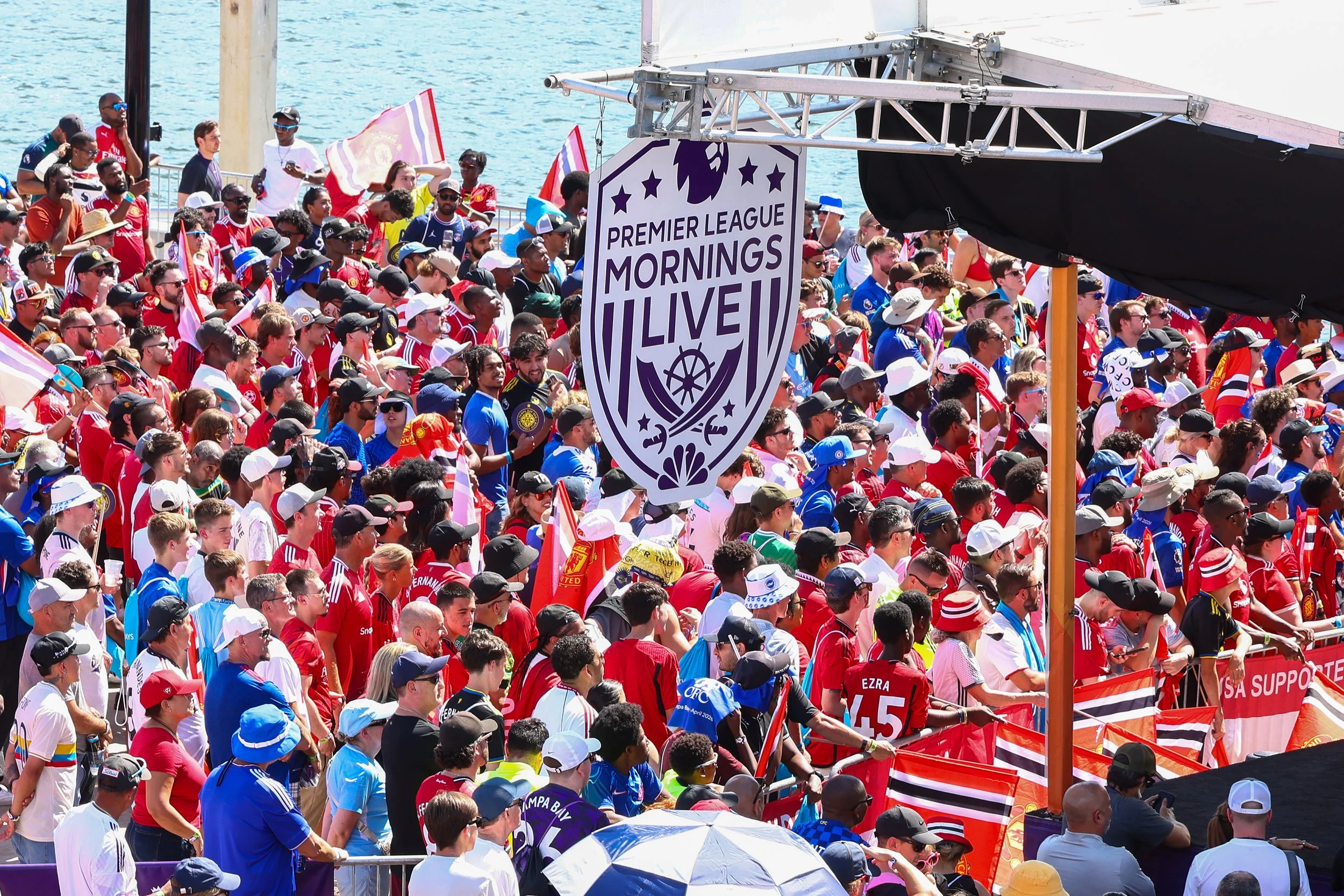
It's 7:45 on a Saturday morning in downtown Orlando, and the Harp & Celt is already three deep at the bar. Pints of Guinness are being poured before most of the city has had its coffee, scarves are draped over shoulders, and a room full of strangers is about to spend the next two hours screaming, groaning, and hugging each other over a football match being played four thousand miles away in England. This isn't a one-off. It happens every weekend, in dozens of pubs from Pensacola to Key West, and it's become one of the more unexpected sports stories in the state: Florida has fallen hard for the Premier League.
A League That Learned to Speak American
For a long time, English football in the United States was a niche pursuit — something you followed on a delayed highlight show or a grainy stream at 3 a.m. That started to change in 2013, when NBC took over U.S. broadcast rights, and it has only accelerated since. NBC's six-year, multi-billion-dollar rights deal reshaped how Americans watch the league, with match scheduling built around convenient U.S. time zones and broadcasts offered in both English and Spanish.
The payoff has been dramatic. The 2025-26 season was NBC's most-watched Premier League campaign ever, headlined by a Manchester City-Arsenal fixture that became the most-watched Premier League match in U.S. television history. Overall consumption across every platform reached the second-highest total on record, up 7% from the previous season. Peacock now carries roughly half the league's matches exclusively alongside NBC's simulcasts, meaning a Florida fan with the right streaming and live-TV combo can realistically watch every single one of the 380 games in a season. And the audience keeps widening: nearly one in five Americans now names soccer as their favorite sport, according to industry research, with the U.S. soccer fanbase skewing more affluent, more engaged, and increasingly more female than traditional American sports crowds.
Why Florida, Specifically?
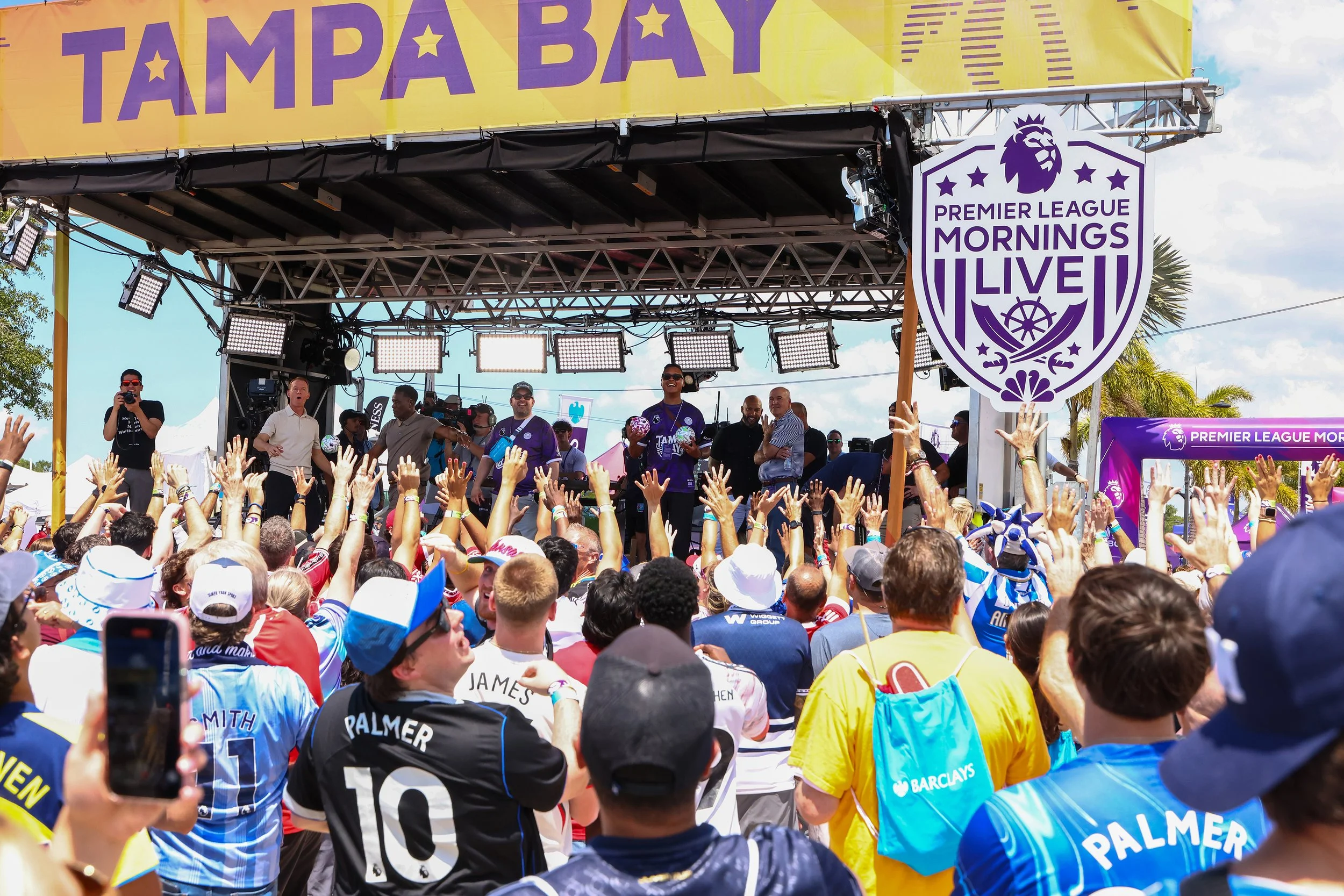
Florida's relationship with the Premier League isn't an accident of scheduling — it's built into the state's identity. Few places in America mix quite so many nationalities, transplants, and lifelong football obsessives into one zip code.
Miami is the clearest example. It's been described as more of an international city than an American one, where jerseys from Barcelona, Real Madrid, PSG, Juventus, and South American giants mix on the street with Liverpool, Manchester United, Manchester City, and Chelsea shirts. The blend of tourists and year-round residents keeps Premier League interest alive around the bars and on the streets no matter the day, with entire neighborhoods hosting bars built around specific European or South American clubs.
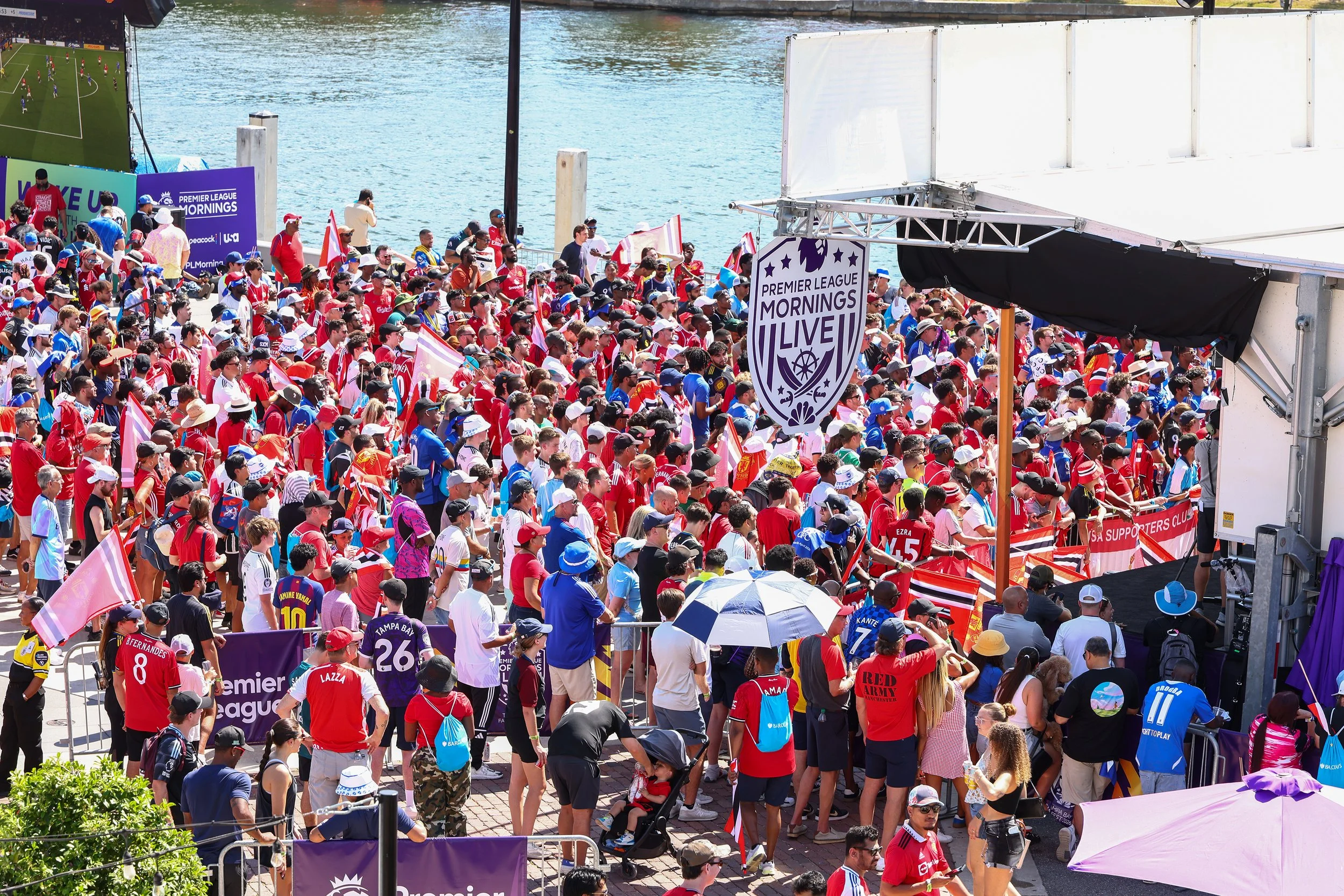
Orlando and Tampa tell a similar story from a different angle. When the Premier League brought its traveling Fan Fest tour to Tampa's Armature Works, more than 7,000 soccer fans packed the grounds, watching matches on giant outdoor screens while cheering on their clubs. One Tampa Bay resident and Liverpool supporter put it plainly: seeing that many fans turn out as early as 7 a.m. said everything about how passionate the sport has become, even in a city already obsessed with its other teams.
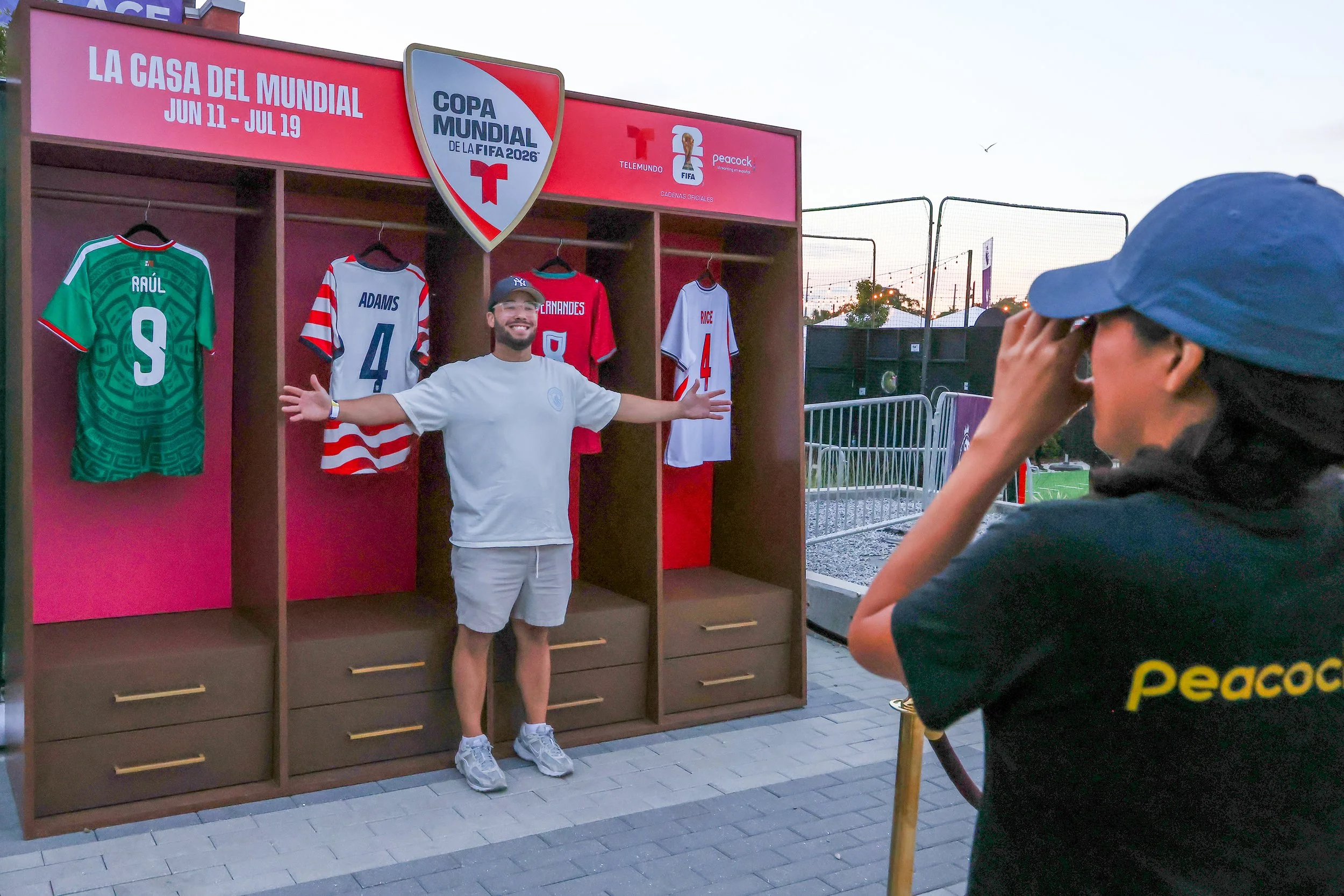
Orlando has hosted its own version of that moment. The city's Premier League Fan Fest drew supporters who flew in from as far away as Europe, along with celebrity sightings and appearances from NBC's on-air broadcast team. And it isn't just a corporate roadshow rolling through once and leaving — supporters' clubs have put down real roots. When Manchester City's mascot Moonchester visited Orlando for a Premier League Live event, the local Orlando Cityzens branch hosted close to 100 attendees at Murphy's Pub, complete with a trivia quiz, signed shirts, and — memorably — a baby alligator. The branch chair described the season as a turning point for the group, with membership climbing from roughly 50 to nearly 70 members. Fans didn't just show up locally, either — the chair of the Tallahassee Cityzens branch drove five hours to Orlando just to be part of it.
Every Club Has a Home Bar
What makes the Florida scene feel less like a passing trend and more like a permanent fixture is the infrastructure fans have built around it. Nearly every major Premier League club now has an officially recognized "home" pub somewhere in the state — a designated spot where supporters gather every single matchday, rain or shine, 7 a.m. kickoff or not.
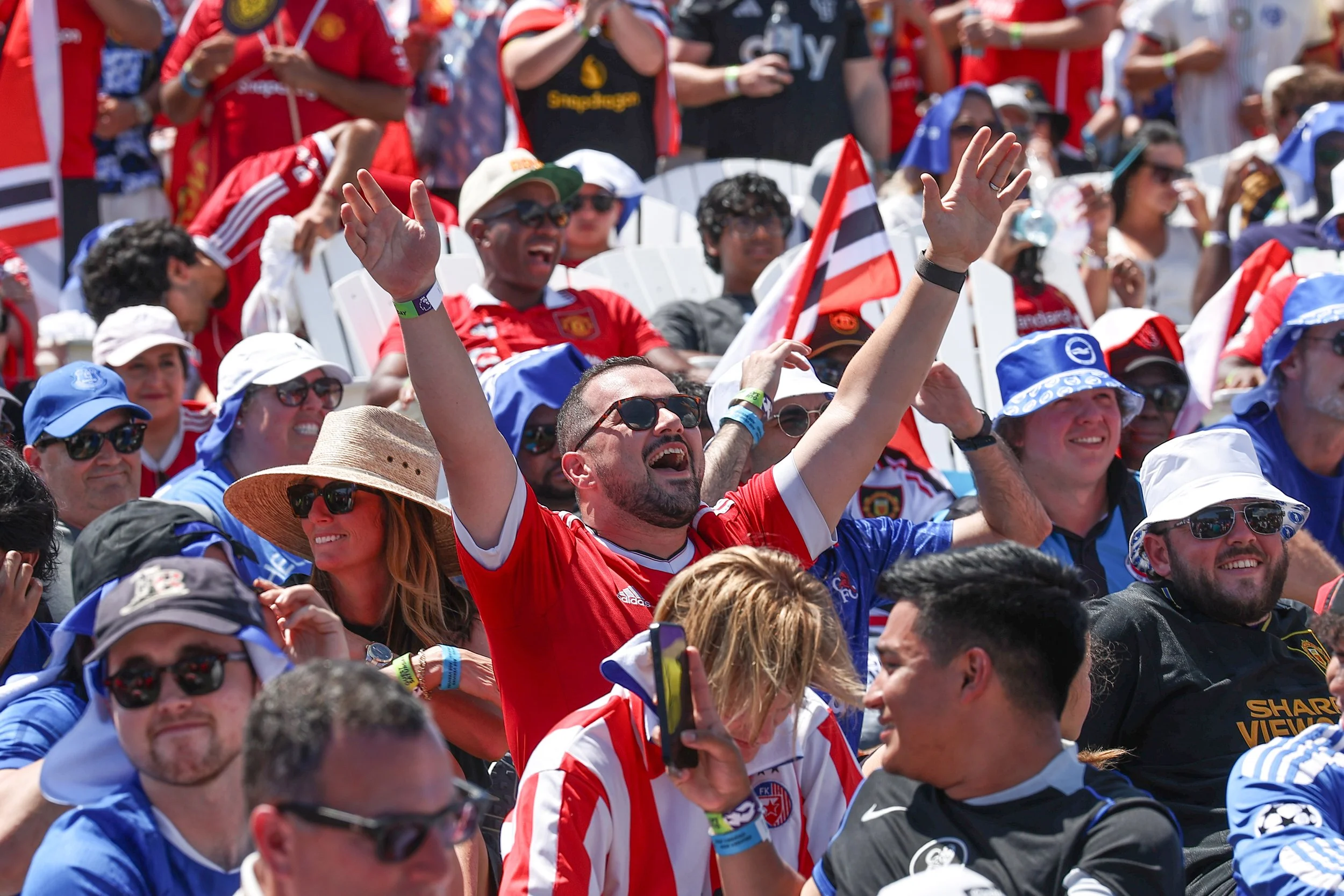
In Miami, the Miami Gooners (Arsenal's official supporters' branch) meet at a bar in Coral Gables, while the Official Liverpool Supporters Club rotates between spots in Wynwood, downtown Miami, and South Beach. Manchester United's Miami Red Devils have their own screening headquarters in the city's southwest district.
Orlando runs its own parallel network. The Orlando Reds — the local Liverpool supporters' branch — gather at the Harp & Celt downtown, while the Orlando Red Army, backing Manchester United, has made a bar on West Washington Street their matchday home. Celtic supporters aren't left out either, with a designated venue on International Drive drawing regulars who praise the hospitality and easy banter during Premier League games.
South Florida's pub culture around the league goes back further than people might assume. Long before Fan Fests and streaming deals, spots in Fort Lauderdale and Coral Gables were already serving breakfast from 9 a.m. specifically to catch early-morning kickoffs, and a Boca Raton English pub has been a go-to matchday spot since 2009.
More Than a Broadcast — A Community
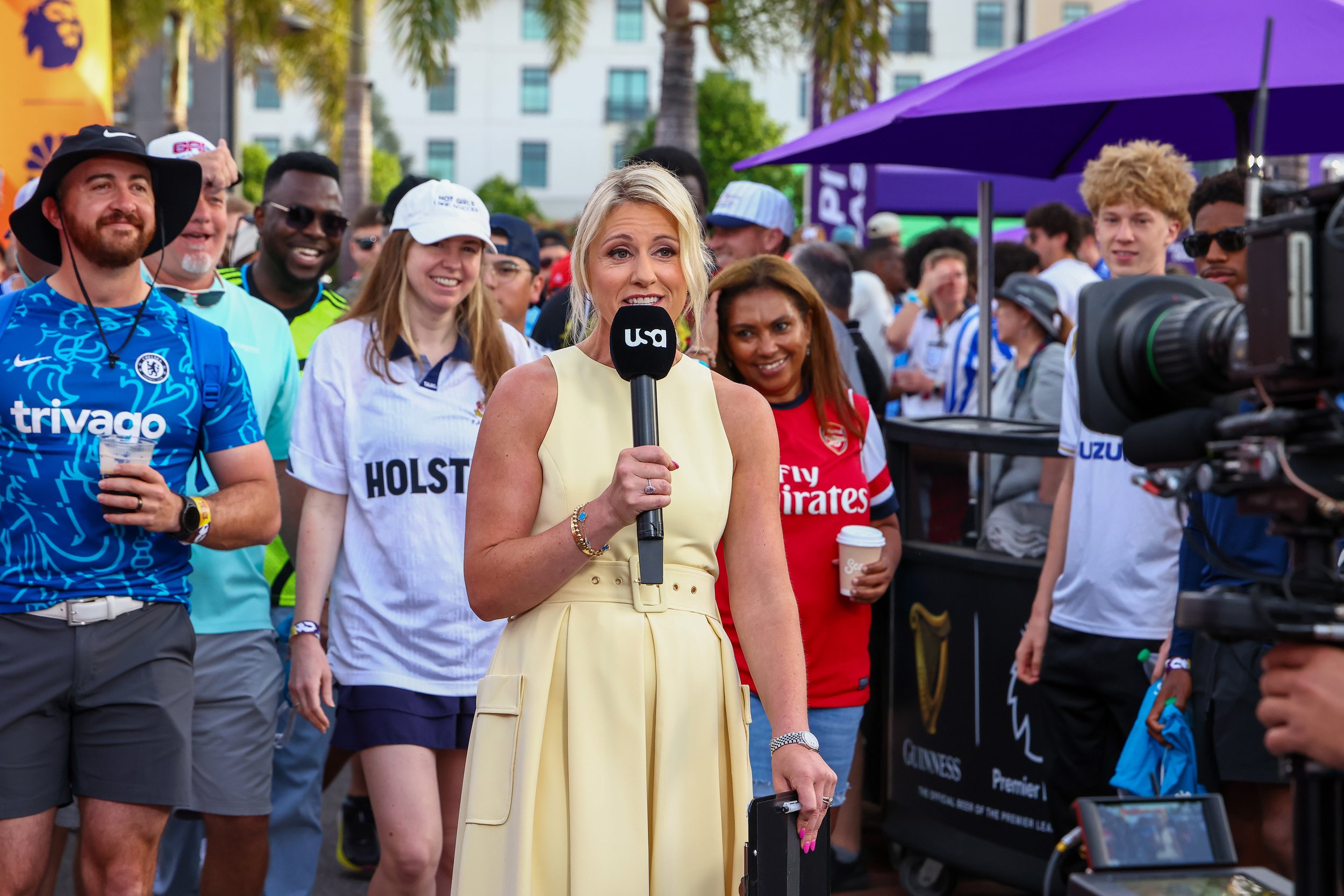
What separates Florida's Premier League following from simply "a lot of people with cable subscriptions" is the sense of belonging fans describe. Ask around Miami on a matchday and it becomes clear that soccer is genuinely on people's minds — not just a curiosity, but a real part of the city's rhythm.
For some supporters, that loyalty runs deeper than convenience. One Miami-based Newcastle United fan became something of a local legend for refusing to let anything — including an actual hurricane — get between him and a matchday, saying there was very little he wouldn't do to make sure he found a way to watch his club play. It's a small story, but it captures something true about the culture: for transplants, immigrants, and lifelong Anglophiles alike, a Premier League club has become a genuine hometown team, even four thousand miles from home.
The league itself has clearly taken notice. Since launching its fan festival tour, the Premier League and NBC Sports have brought events to cities including Washington D.C., New York, Boston, Austin, Miami Beach, Los Angeles, Tampa, and Orlando, drawing well over 50,000 fans combined. Florida has become a recurring stop rather than a one-time novelty, with organizers openly acknowledging how much demand there is from local supporters' clubs pushing for a return visit.
A League That's Here to Stay
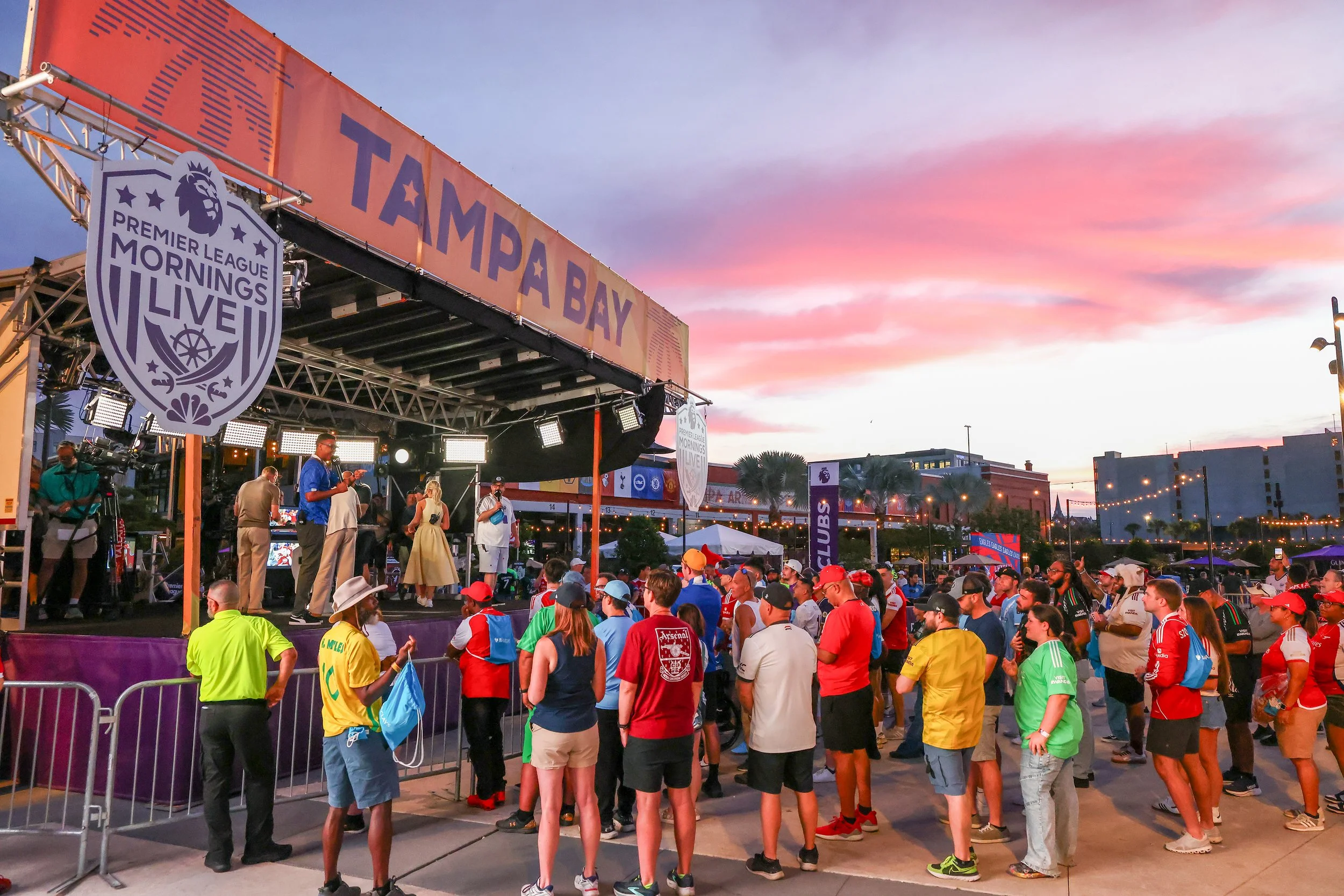
None of this looks like a fad. The numbers back up what the bars already show on any given Saturday: soccer, and specifically the Premier League, has carved out a permanent and growing place in Florida's sports calendar. Between the record-setting broadcasts, the packed Fan Fests in Tampa and Orlando, the officially sanctioned supporters' pubs in nearly every major city, and the sheer diversity of a fan base that spans lifelong Evertonians, recent transplants, and curious newcomers who caught one match and never left — Florida has quietly become one of the most passionate corners of American football fandom.
So if you find yourself walking past an Irish pub at 7 a.m. on a Saturday and hear a roar go up over a goal scored an ocean away, don't be surprised. In Florida, that's just kickoff.
All Images: Dustin Markland