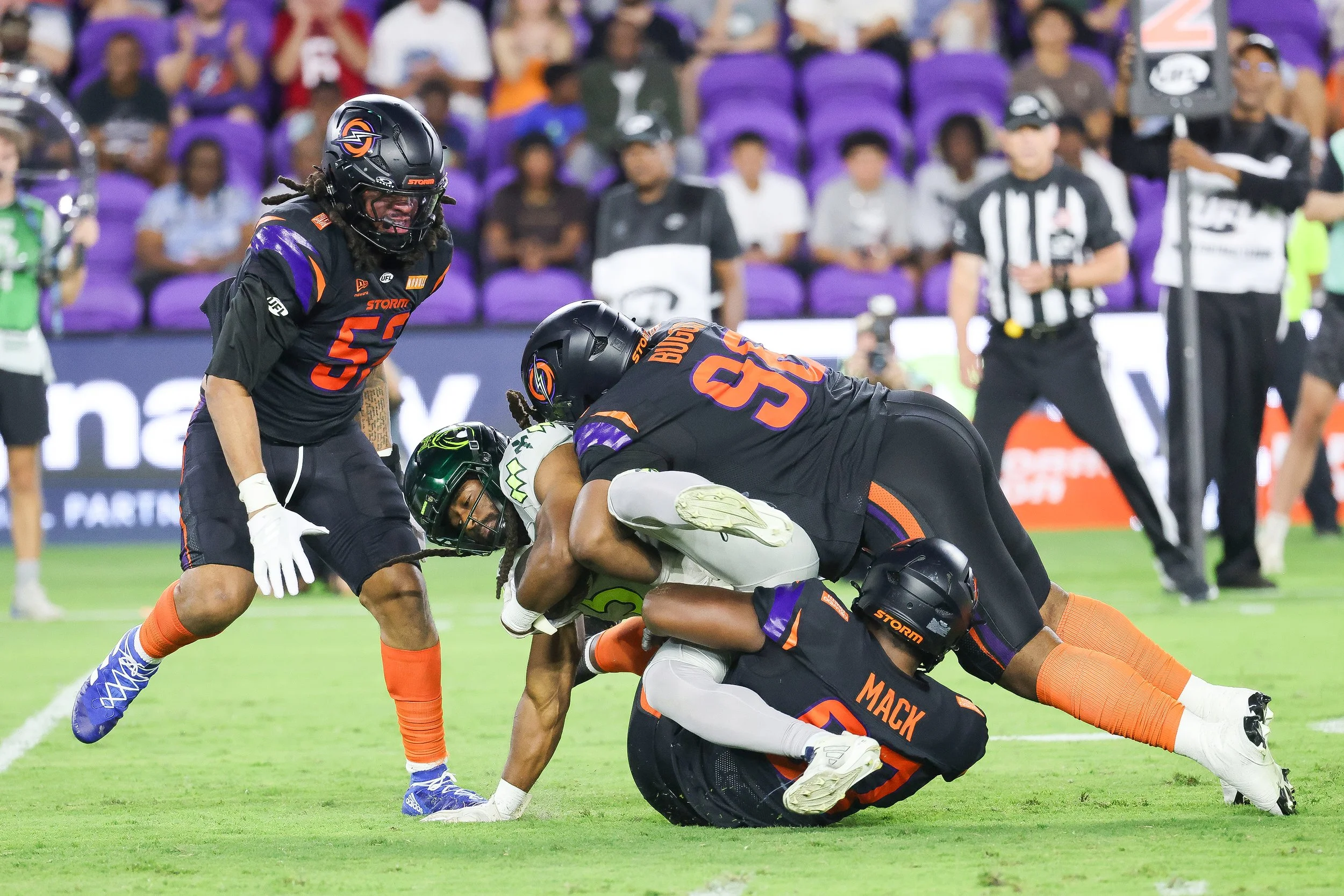
Storm Season: How Orlando's Expansion Team Became the UFL's Breakout Story
A First-Year Franchise Turns Central Florida Into Spring Football Country
When the United Football League announced in October 2025 that Orlando would receive a brand-new franchise, it was a modest headline in a crowded sports calendar. Ten months later, the Orlando Storm's debut season has become the story the entire league is pointing to as proof that spring football has real staying power — and that a first-year team can win from day one.
A Debut Season for the Ages
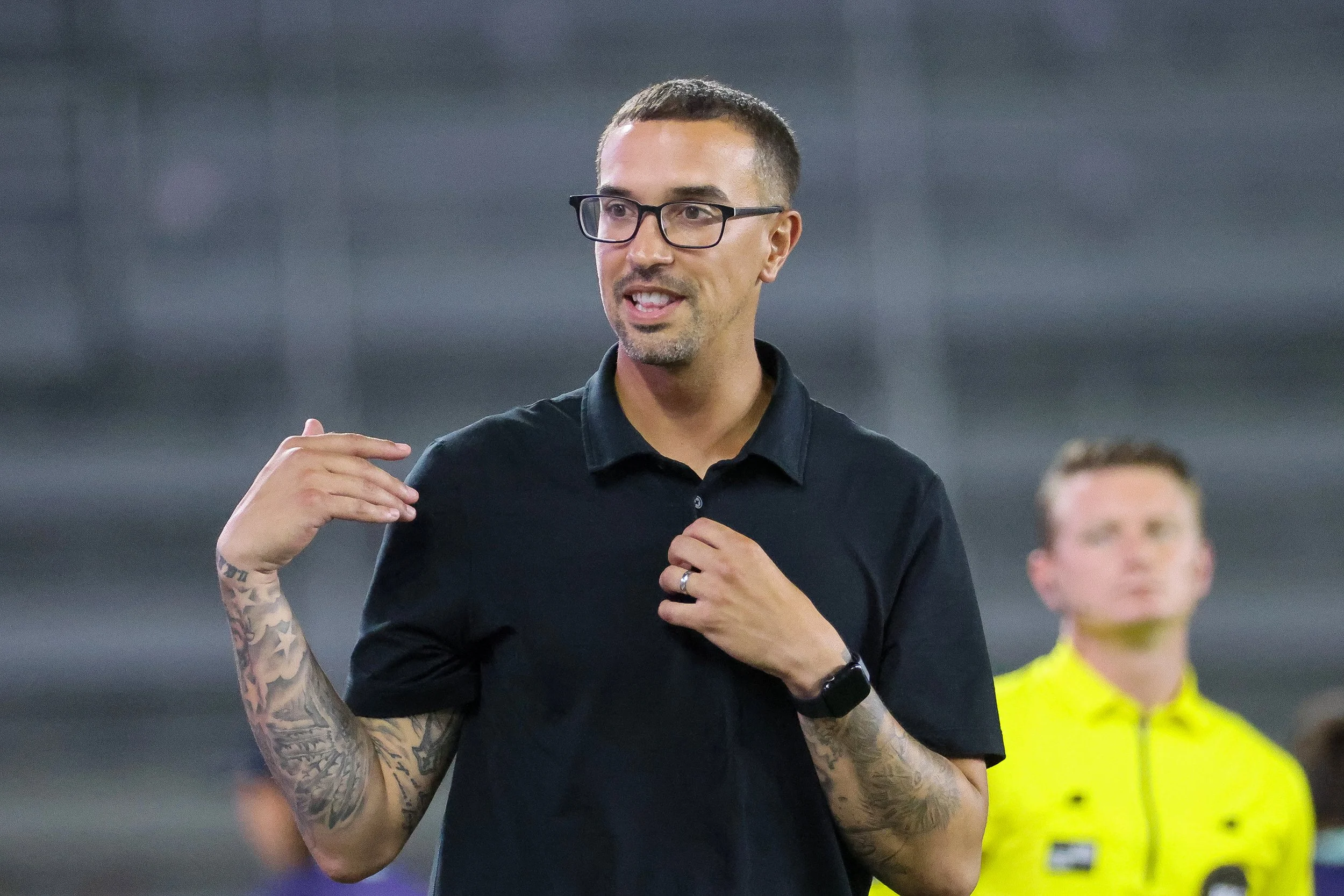
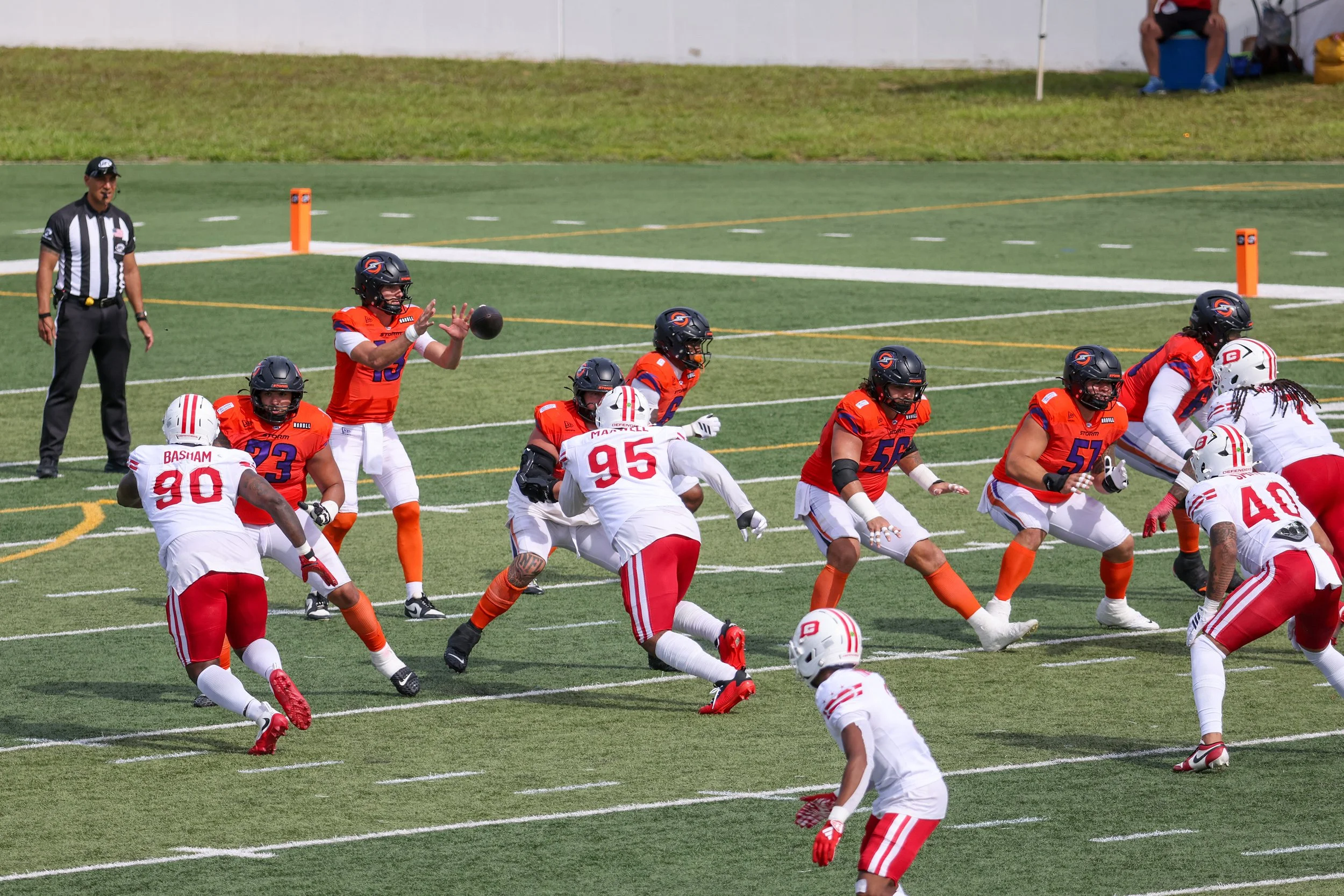
Most expansion teams spend their inaugural year finding their footing. The Storm spent theirs finding the top of the standings. Behind first-year head coach Anthony Becht, Orlando opened its "407 Kickoff" at Inter&Co Stadium in March and never looked back, rolling to an 8–2 regular-season record — best in the entire UFL. On May 15, the Storm became the first team in the league to clinch a playoff berth, doing it on the road against Dallas in a nationally broadcast "Hats Off to Heroes" game. By the time the regular season wrapped, Orlando had claimed the No. 1 seed in just its first year of existence, a feat few expansion clubs in any sport can claim.
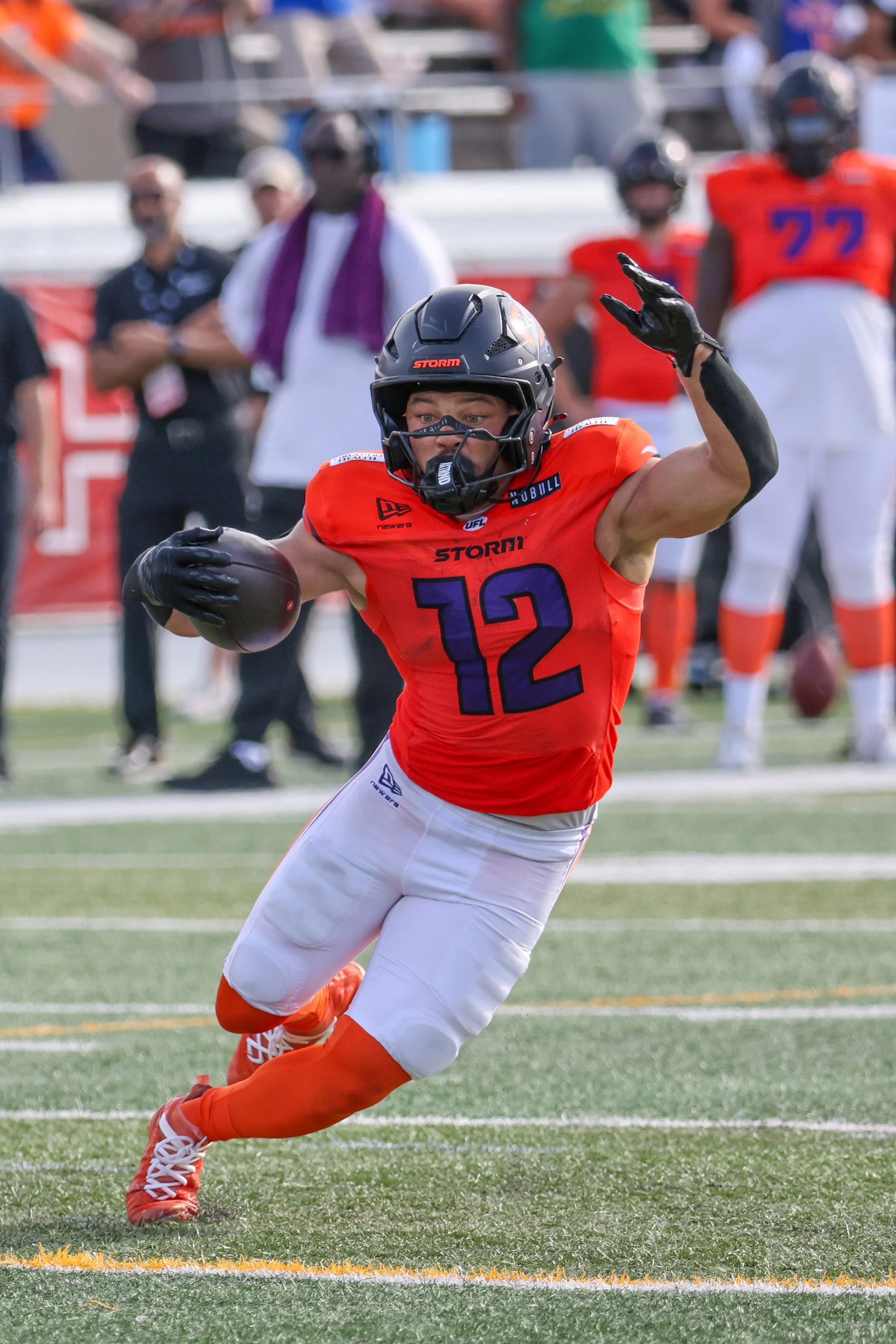
The formula was simple: disciplined defense, timely quarterback play from Jack Plummer, and a coaching staff that got the most out of a roster built largely from allocated and protected players. Wide receiver Chris Rowland and linebacker Kana'i Mauga emerged as fan favorites, delivering highlight-reel plays all spring, including a pick-six that briefly gave the Storm a shot at the conference title in June.
Central Florida Shows Up
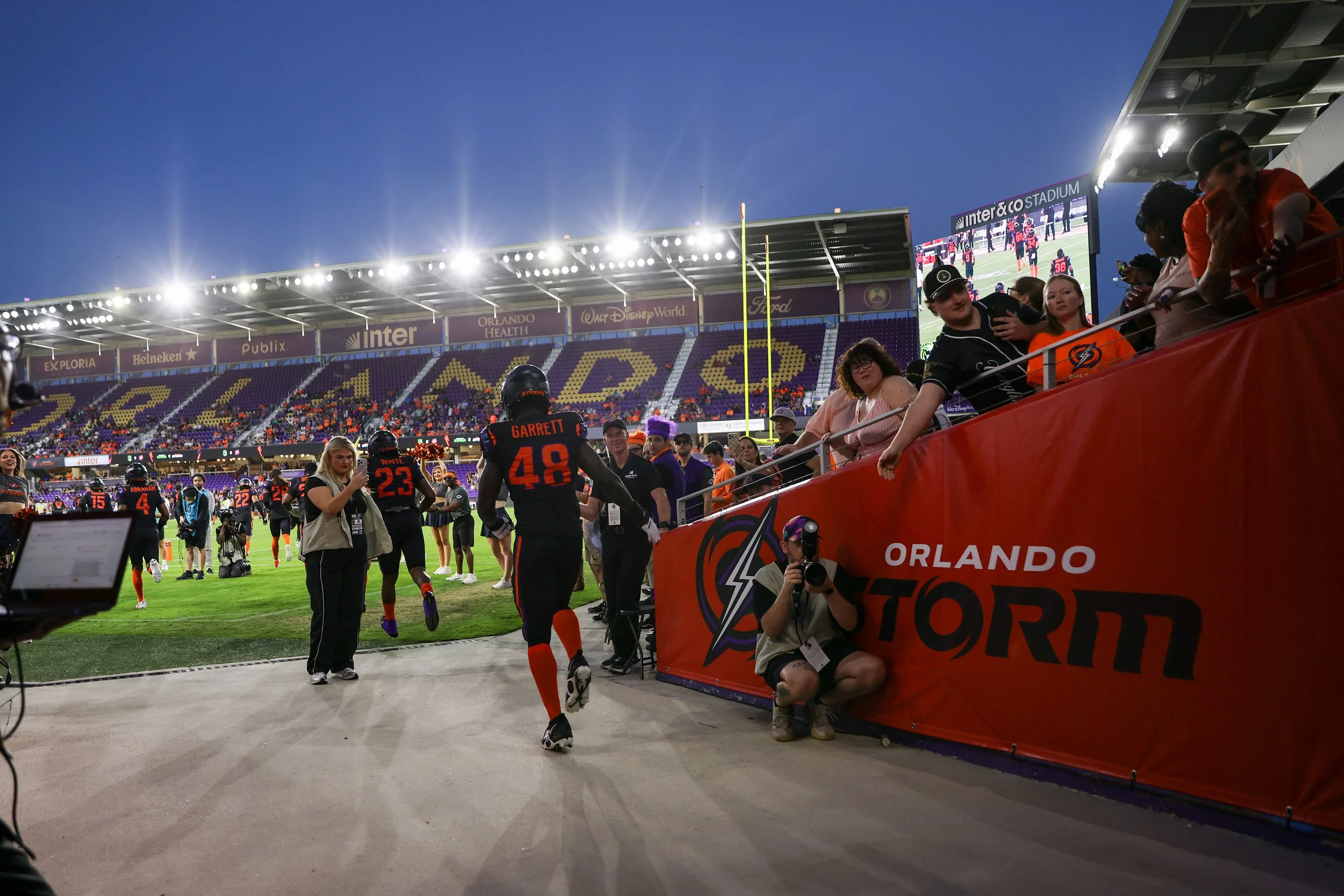
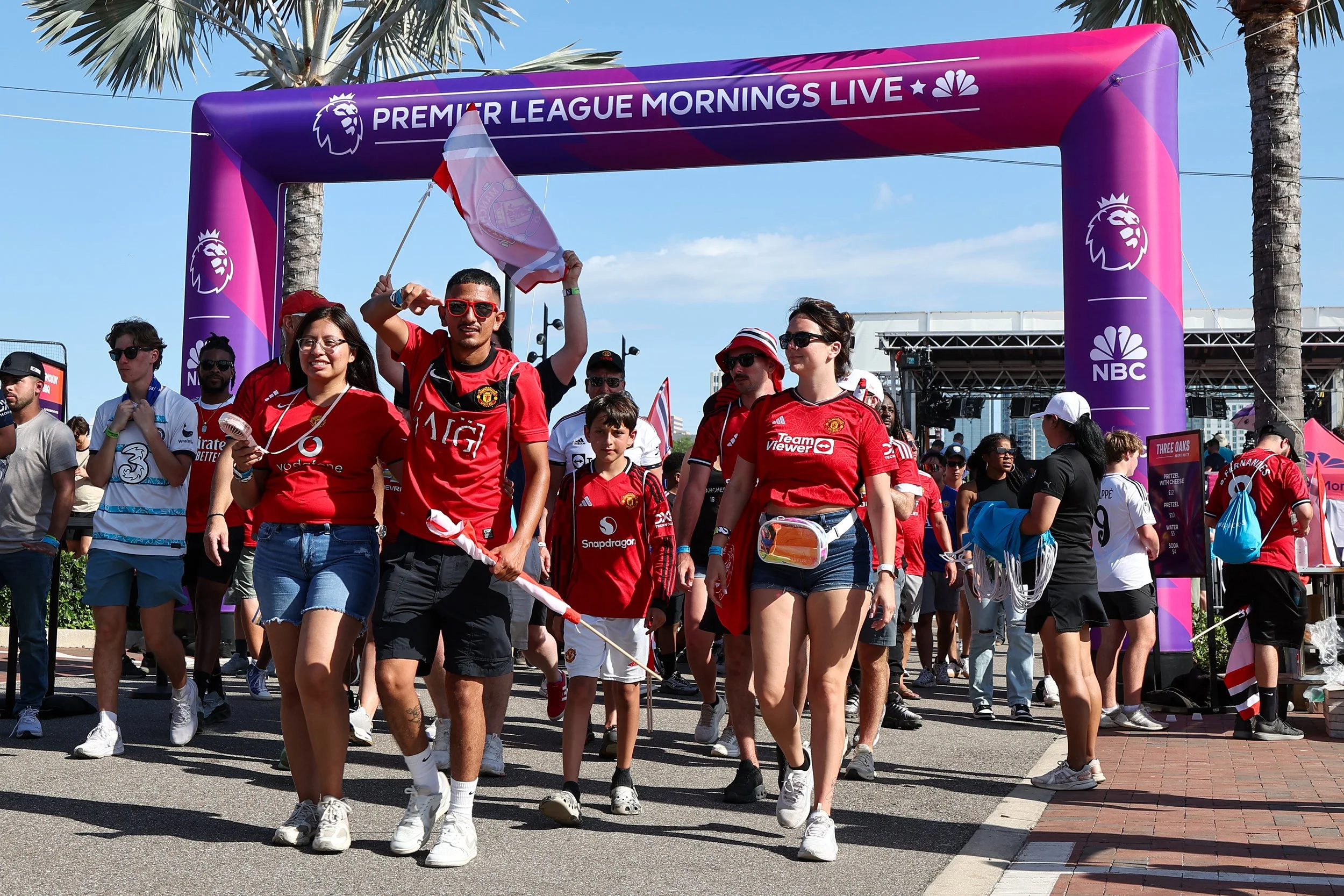
Skeptics wondered whether Orlando — a market already saturated with Magic basketball, Orlando City soccer, and college football loyalties — would embrace another franchise. The answer came in the stands. Home crowds at Inter&Co Stadium regularly topped 9,000, with a season-high crowd of 9,735 turning out for a showdown with the St. Louis Battlehawks and another strong gate for a matchup with the reigning champion Birmingham Stallions. For a first-year spring football club, those numbers turned heads across the league office.
Much of that credit goes to Becht himself. His deep local ties to the Orlando area — from his college and NFL career to his post-playing broadcasting roots in the region — gave the Storm instant credibility with fans who might otherwise have been skeptical of a brand-new team. By midseason, "Storm Sundays" had become a genuine community gathering, complete with tailgates, youth-football clinics, and a growing season-ticket base that the front office is already building on for 2027.
A Playoff Run to Remember
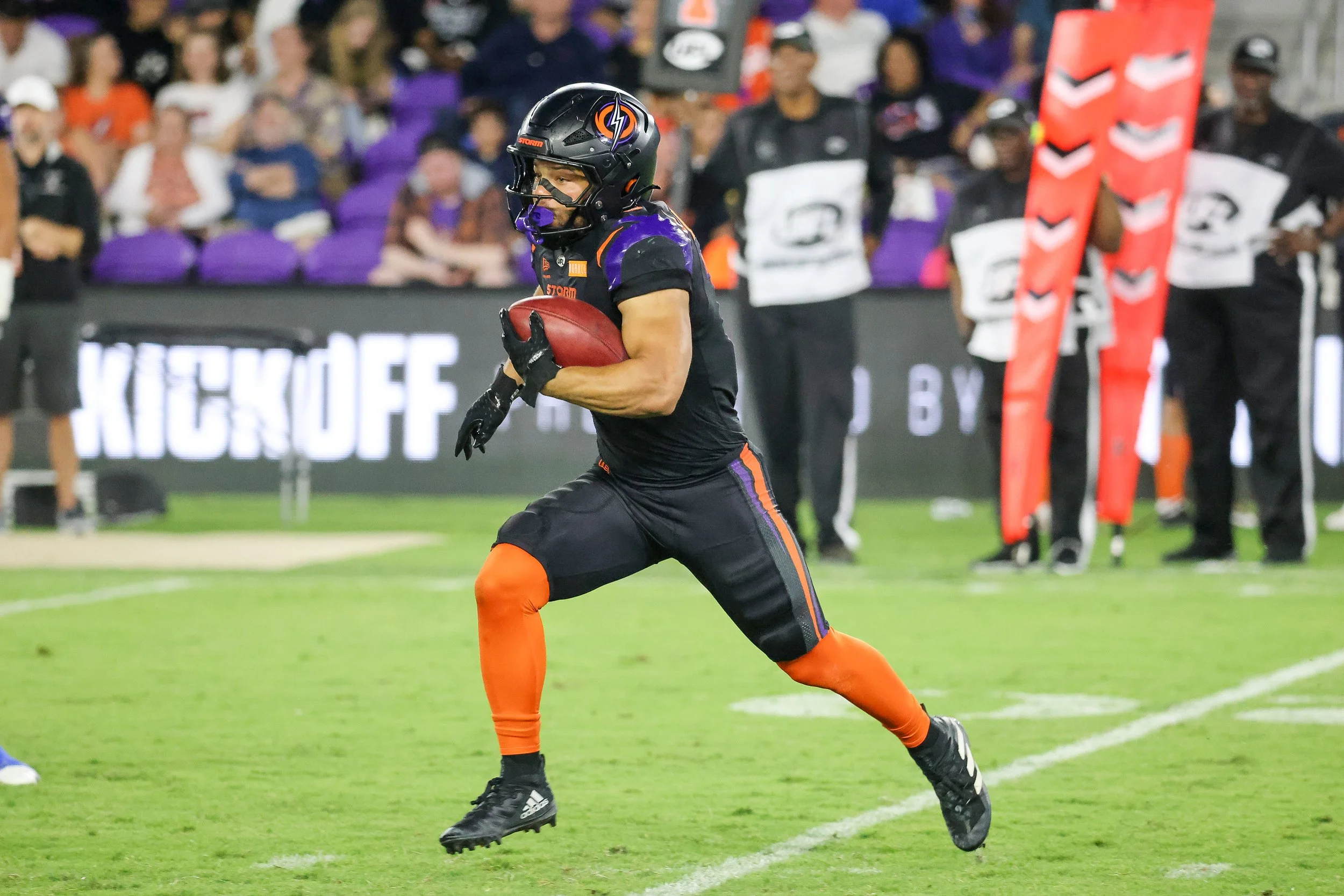
Orlando's magic carried into the postseason. The Storm dispatched the DC Defenders twice in the regular season and carried a four-game winning streak into their conference championship rematch with DC in June. In a hard-fought battle at a neutral-site venue in Florida, the Storm mounted a furious fourth-quarter comeback bid, but the Defenders' veteran experience proved just enough, with DC escaping 28–22 to advance to the United Bowl.
It was a heartbreaker for Storm fans, but hardly a disappointment. Reaching a conference championship game in year one — after finishing the regular season as the league's top team — put Orlando in rare company. League analysts were quick to note that, among the UFL's three 2026 expansion franchises, the Storm's debut stood out as the model for how to do it right, building both a winning product and a passionate fan base in a single spring.
The League Rises With It
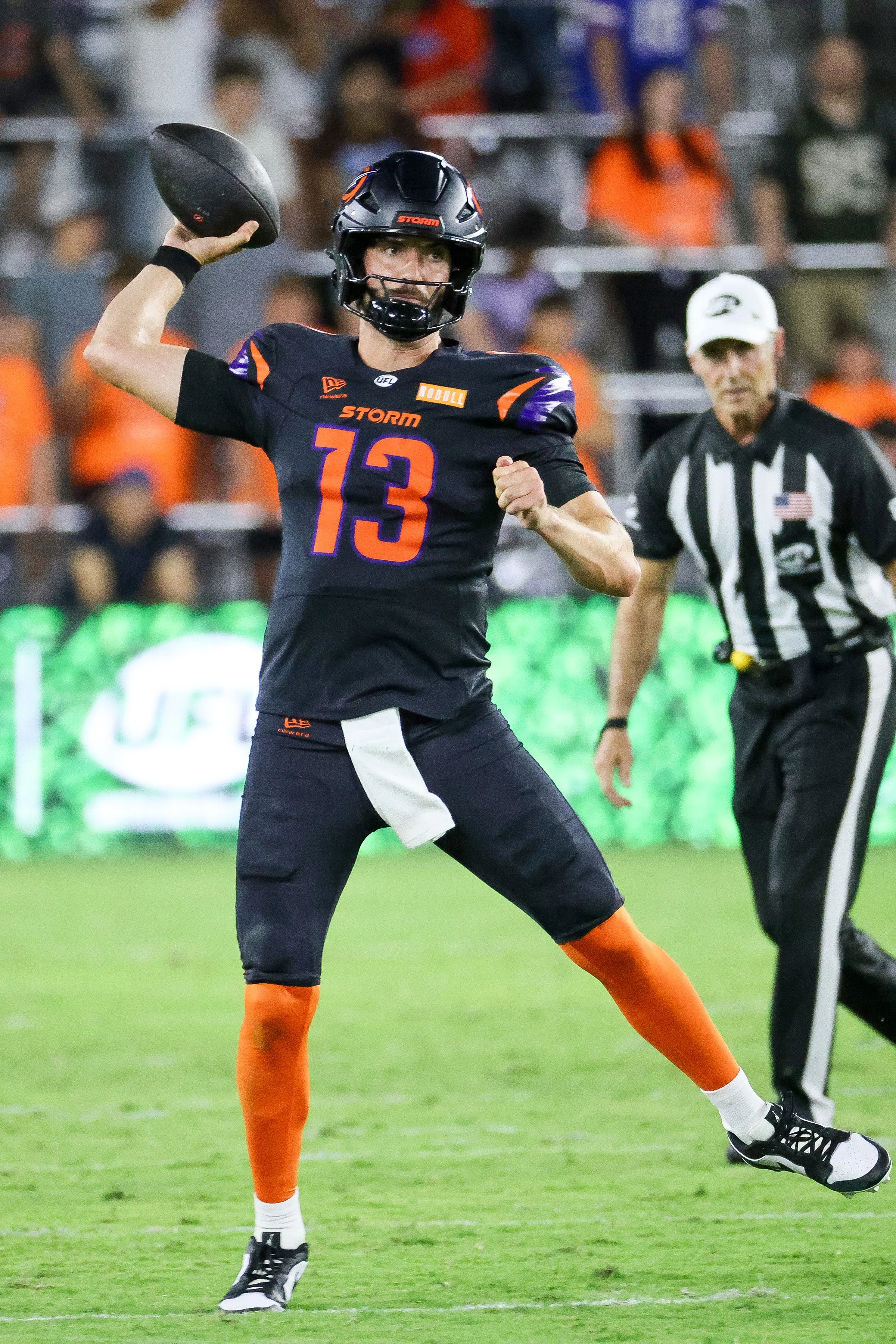
Orlando's success arrived at a pivotal moment for the UFL itself. Now in just its third season since the USFL–XFL merger, the league has shown the kind of stability that eluded so many spring-football ventures before it. Rather than retreating, the UFL used the 2026 season to double down: league officials confirmed plans to grow to 10 teams by 2028 and as many as 12 by 2030, with Oklahoma City already lined up as a future addition. Two new markets will join for 2027 as part of a broader realignment strategy designed to put teams in stadiums and cities where the energy — like Orlando's — can truly take hold.
That's the real headline coming out of the Storm's debut campaign: a fresh franchise didn't just compete, it thrived, and in doing so it gave league executives a blueprint for expansion. Combined with Louisville's run to the 2026 UFL championship — another first-year success story — the league closed its third season with real momentum, strong regional fan bases, and a growing appetite for more.
Looking Ahead
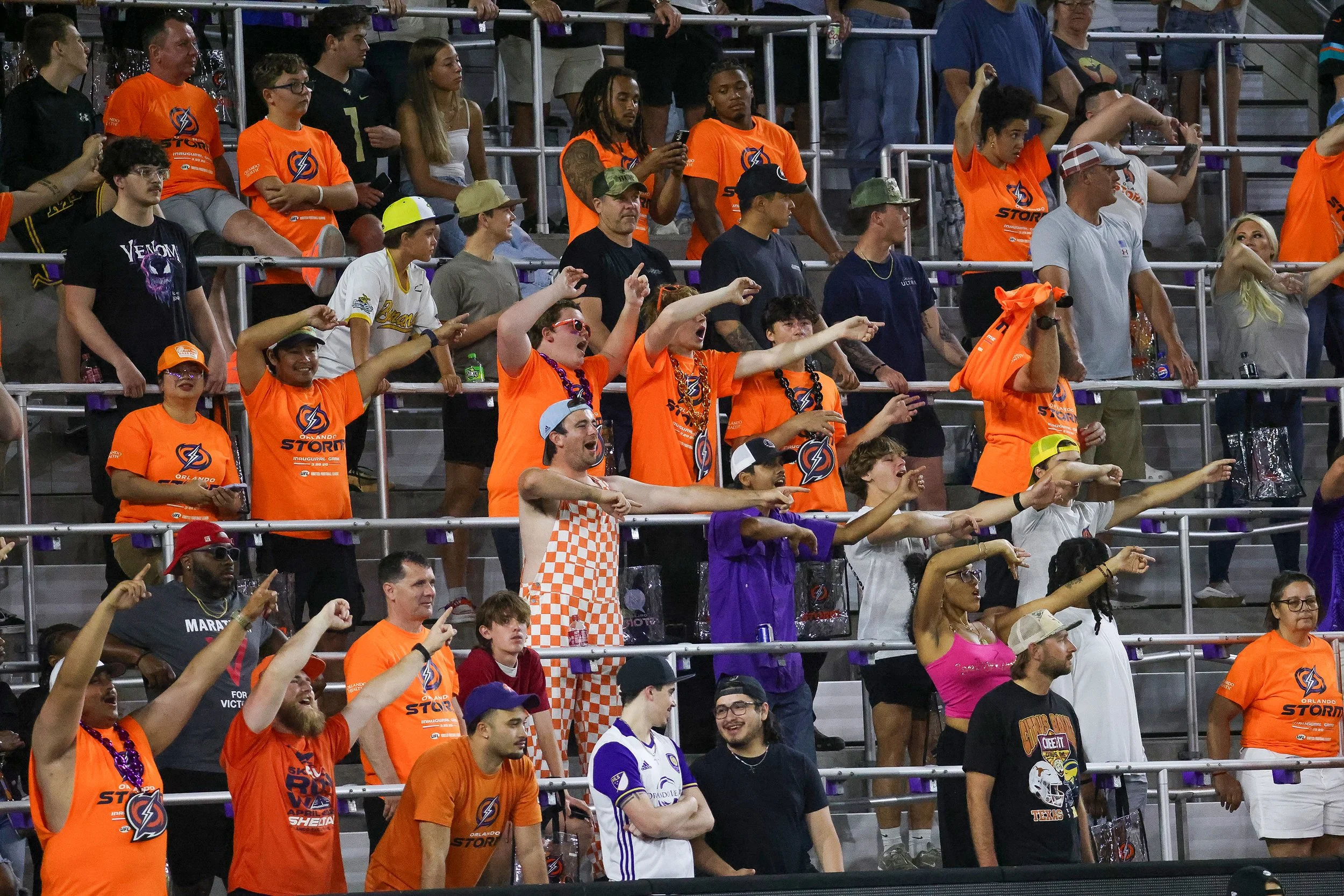
For Orlando, the offseason storyline isn't about rebuilding — it's about building on. With a winning coach, a breakout roster, and a fan base that showed up week after week, the Storm enter 2027 as one of the UFL's flagship franchises rather than its newest experiment. If year one was about proving Orlando belonged on the spring football map, year two will be about proving the Storm can go the distance — all the way to the United Bowl.
One thing is already clear: Central Florida has found its team, and the UFL has found one of its best arguments yet for a bright future.